
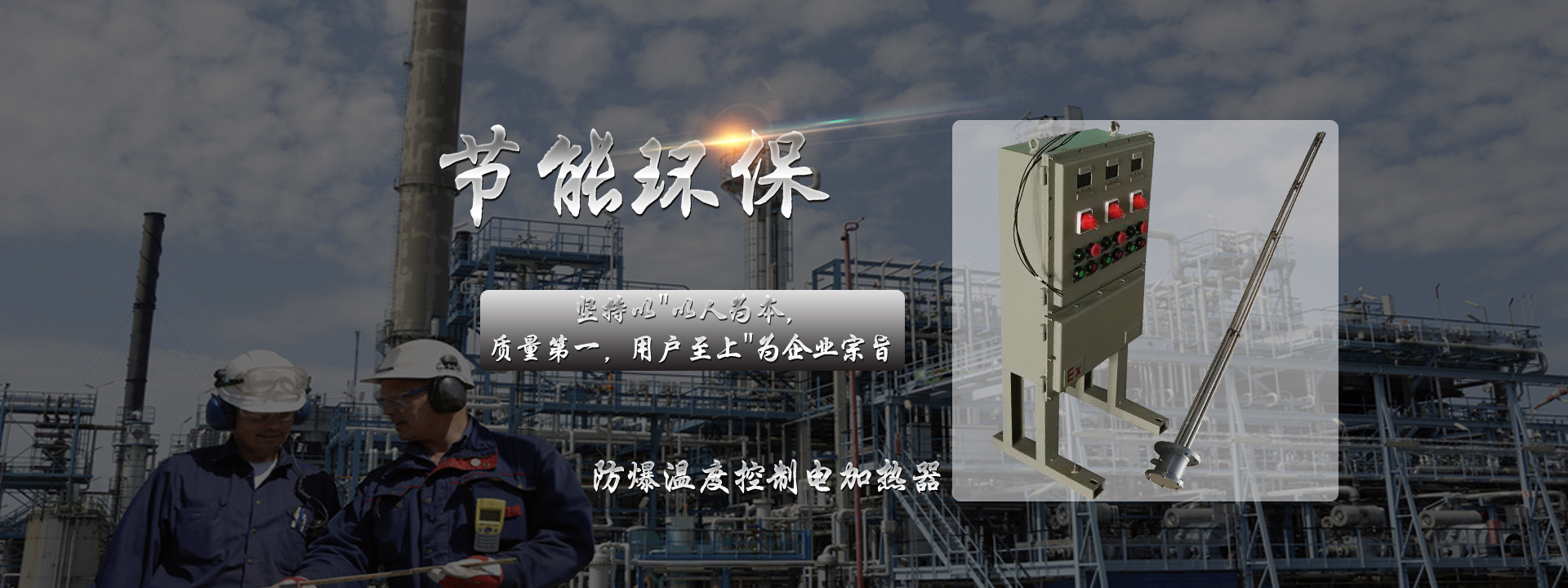
I. Product Introduction A duct heater is an electric heating device that installs heating tubes inside a cylindrical insulated container to heat gases or liquids. Duct heaters feature fast heating speed, good thermal insulation, and high heating temperature. Gas duct heaters are typically used to heat air, nitrogen, and other gases, while liquid duct heaters are used to heat water, oil, and various liquids, capable of raising the medium to the required temperature in a very short time. A duct heater consists of two parts: the main body and the control system. The heating element uses stainless steel tubes as protective sleeves, high-temperature resistance alloy wire, and crystalline magnesium oxide powder, formed through a compression process. The control part adopts advanced digital circuits, integrated circuit triggers, and high-voltage thyristors to form an adjustable temperature measurement and constant temperature system, ensuring the normal operation of the electric heater. II. Product Principle A duct electric heater consumes electrical energy and converts it into thermal energy to heat the material to be heated. During operation, the low-temperature fluid medium enters the input port under pressure through the pipeline, flows along the specific heat exchange channels inside the electric heating container, designed based on fluid thermodynamics principles, and carries away the high-temperature thermal energy generated by the electric heating elements during operation, thereby raising the temperature of the heated medium. The outlet of the electric heater delivers the high-temperature medium required by the process. The internal control system of the electric heater automatically adjusts the output power based on the temperature sensor signal at the outlet, ensuring uniform temperature of the medium at the outlet. When the heating element overheats, the independent overheat protection device immediately cuts off the heating power supply, preventing the heated material from overheating, which could cause coking, deterioration, carbonization, or even burning out the heating element, effectively extending the service life of the electric heater. III. Product Features 1. Can heat the medium to very high temperatures, up to 850°C, with the shell temperature only around 50°C; 2. High efficiency: up to 0.9 or above; 3. Fast heating and cooling rates, up to 10°C/s, with quick and stable adjustment. No lead or lag in the controlled medium temperature, preventing temperature drift, suitable for automatic control; 4. Good mechanical performance: because the heating element is made of special alloy material, it has better mechanical performance and strength than any other heating element under the impact of high-pressure air flow, which is especially advantageous for systems and accessory tests that require continuous air heating for long periods; 5. When used properly, the lifespan can be as long as decades, making it durable; 6. Clean air, compact size; 7. Various types of duct electric heaters can be designed according to user needs. IV. Product Applications 1. Heating chemical materials in the chemical industry, drying some powders under certain pressure, chemical processes, and spray drying. 2. Heating hydrocarbons, including crude oil, heavy oil, fuel oil, thermal oil, lubricating oil, paraffin, etc. 3. Heating process water, superheated steam, molten salt, nitrogen (air), water gas, and other fluids that need to be heated. 4. (Explosion-proof duct heater) Due to the advanced explosion-proof structure, the equipment can be widely used in chemical, military, petroleum, natural gas, offshore platforms, ships, mining areas, and other places requiring explosion-proof measures. V. Common Product Issues Fault 1: Digital display not working. Check if the air switch is closed and the control circuit is intact. Fault 2: Heater temperature not rising. Check if the fuse is intact and if the gas heater is damaged. Fault 3: Three-phase imbalance. Check if the three-phase input voltage has a phase loss. Open the gas heater protective cover and use a multimeter to check if any single heating element is open circuit. |
I. Product Introduction A duct heater is an electric heating device that installs heating tubes inside a cylindrical insulated container to heat gases or liquids. Duct heaters feature fast heating speed, good thermal insulation, and high heating temperature. Gas duct heaters are typically used to heat air, nitrogen, and other gases, while liquid duct heaters are used to heat water, oil, and various liquids, capable of raising the medium to the required temperature in a very short time. A duct heater consists of two parts: the main body and the control system. The heating element uses stainless steel tubes as protective sleeves, high-temperature resistance alloy wire, and crystalline magnesium oxide powder, formed through a compression process. The control part adopts advanced digital circuits, integrated circuit triggers, and high-voltage thyristors to form an adjustable temperature measurement and constant temperature system, ensuring the normal operation of the electric heater. II. Product Principle A duct electric heater consumes electrical energy and converts it into thermal energy to heat the material to be heated. During operation, the low-temperature fluid medium enters the input port under pressure through the pipeline, flows along the specific heat exchange channels inside the electric heating container, designed based on fluid thermodynamics principles, and carries away the high-temperature thermal energy generated by the electric heating elements during operation, thereby raising the temperature of the heated medium. The outlet of the electric heater delivers the high-temperature medium required by the process. The internal control system of the electric heater automatically adjusts the output power based on the temperature sensor signal at the outlet, ensuring uniform temperature of the medium at the outlet. When the heating element overheats, the independent overheat protection device immediately cuts off the heating power supply, preventing the heated material from overheating, which could cause coking, deterioration, carbonization, or even burning out the heating element, effectively extending the service life of the electric heater. III. Product Features 1. Can heat the medium to very high temperatures, up to 850°C, with the shell temperature only around 50°C; 2. High efficiency: up to 0.9 or above; 3. Fast heating and cooling rates, up to 10°C/s, with quick and stable adjustment. No lead or lag in the controlled medium temperature, preventing temperature drift, suitable for automatic control; 4. Good mechanical performance: because the heating element is made of special alloy material, it has better mechanical performance and strength than any other heating element under the impact of high-pressure air flow, which is especially advantageous for systems and accessory tests that require continuous air heating for long periods; 5. When used properly, the lifespan can be as long as decades, making it durable; 6. Clean air, compact size; 7. Various types of duct electric heaters can be designed according to user needs. IV. Product Applications 1. Heating chemical materials in the chemical industry, drying some powders under certain pressure, chemical processes, and spray drying. 2. Heating hydrocarbons, including crude oil, heavy oil, fuel oil, thermal oil, lubricating oil, paraffin, etc. 3. Heating process water, superheated steam, molten salt, nitrogen (air), water gas, and other fluids that need to be heated. 4. (Explosion-proof duct heater) Due to the advanced explosion-proof structure, the equipment can be widely used in chemical, military, petroleum, natural gas, offshore platforms, ships, mining areas, and other places requiring explosion-proof measures. V. Common Product Issues Fault 1: Digital display not working. Check if the air switch is closed and the control circuit is intact. Fault 2: Heater temperature not rising. Check if the fuse is intact and if the gas heater is damaged. Fault 3: Three-phase imbalance. Check if the three-phase input voltage has a phase loss. Open the gas heater protective cover and use a multimeter to check if any single heating element is open circuit. |