Divided into two modes: internal heating and far-infrared electric heating device:
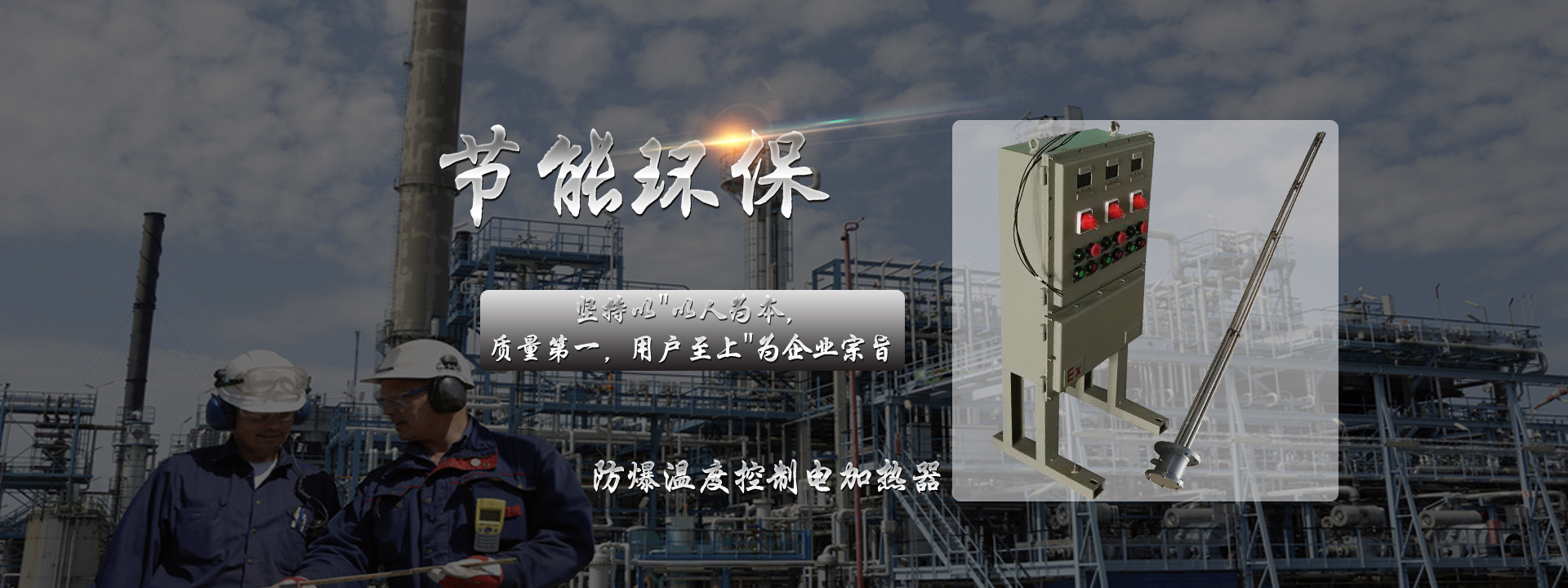
Among them, one type of internal heating uses a flanged tubular electric heating element inserted upside down into the reactor jacket to heat the thermal oil, transferring heat energy to the chemical raw materials in the reactor.
Another method is to directly insert tubular electric heating elements into the reactor or evenly distribute electric heating tubes around the wall. This mode is called internal heating. Internal heating has fast temperature rise and high efficiency.
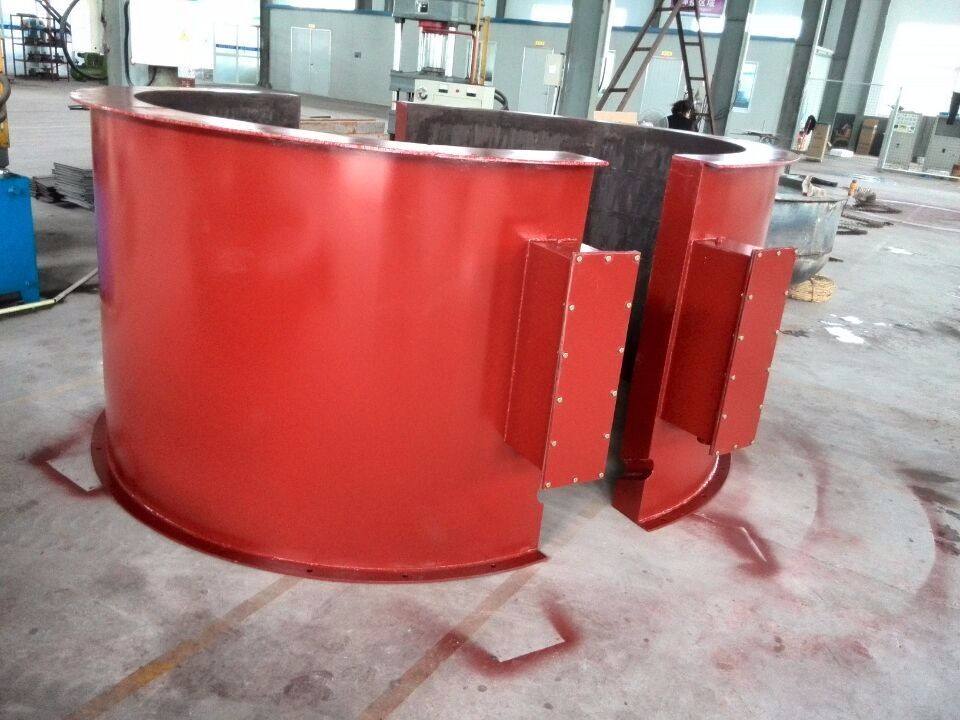
The other mode is the far-infrared electric heating device. That is, the electric heater wraps around the bottom and middle-lower part of the reactor for heating. The far-infrared electric heating device has a large heating area, stable and fast temperature rise, uniform heat release, convenient temperature control, can be controlled in upper, middle, and lower sections, easy control of the temperature of the reactor wall and interior, no side effects on the materials inside the reactor, no carbonization of materials, no noise during operation, no pollution, long service life (over 30,000 hours), and significant energy saving (over 28%).
Selection parameters for reactor electric heaters:
1. Size of the reactor;
2. Weight of the reactor;
3. Volume of the reactor jacket or coil;
4. Parameters of the materials in the reactor: density, specific heat, viscosity, etc.
5. The temperature required for the materials in the reactor and the time requirement to reach this temperature;
6. The size of the inlet and outlet of the reactor jacket;
7. Whether cooling or explosion-proof is required;
8. Whether the reactor drawings can be provided;
9. Process requirements for reactor operation.