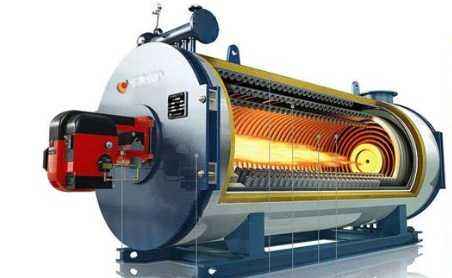

Generally speaking,heat transfer oilhas good heat transfer performance, so the direct basis for determining whether the heat transfer oil in aheat transfer oil furnacehas failed is its heat transfer effect. However, the true determination of whether the heat transfer oil has failed should still be based on laboratory data, and sometimes chromatographic comparison analysis is required.
According to research: the flash point reduction should not exceed 20% of the original index; the change in kinematic viscosity should not exceed 15% of the original index; the acid value should not exceed 0.5 mgKOH/g; and the carbon residue should not exceed 1.5%. When all or two of the above four main indicators are unqualified, the oil is deemed to have failed. It is particularly important to note that the "flash point" indicator, which relates to safety performance, must be given high attention. When this value changes too much, even if other indicators are qualified, replacement of the heat transfer oil must be considered.
Of course, to save costs, some heat transfer oils can be regenerated, but the performance of regenerated heat transfer oil is often inferior to that of new oil. Since failed heat transfer oil usually has high carbon residue, the heat transfer oil furnace, heat-using equipment, and pipelines must be cleaned before replacing the heat transfer oil. Specialized heat transfer oil cleaners can be used for cleaning. In areas with environmental restrictions, steam flushing is also a good method. To use heat transfer oil effectively, it is necessary to correctly select the heating furnace, choose a unit with strong design capabilities, select the appropriate heat transfer oil, emphasize safety education during the use of the heat transfer oil furnace, and strictly follow operating procedures. Only in this way can the safe and stable operation of the heat transfer oil furnace system be ensured.