
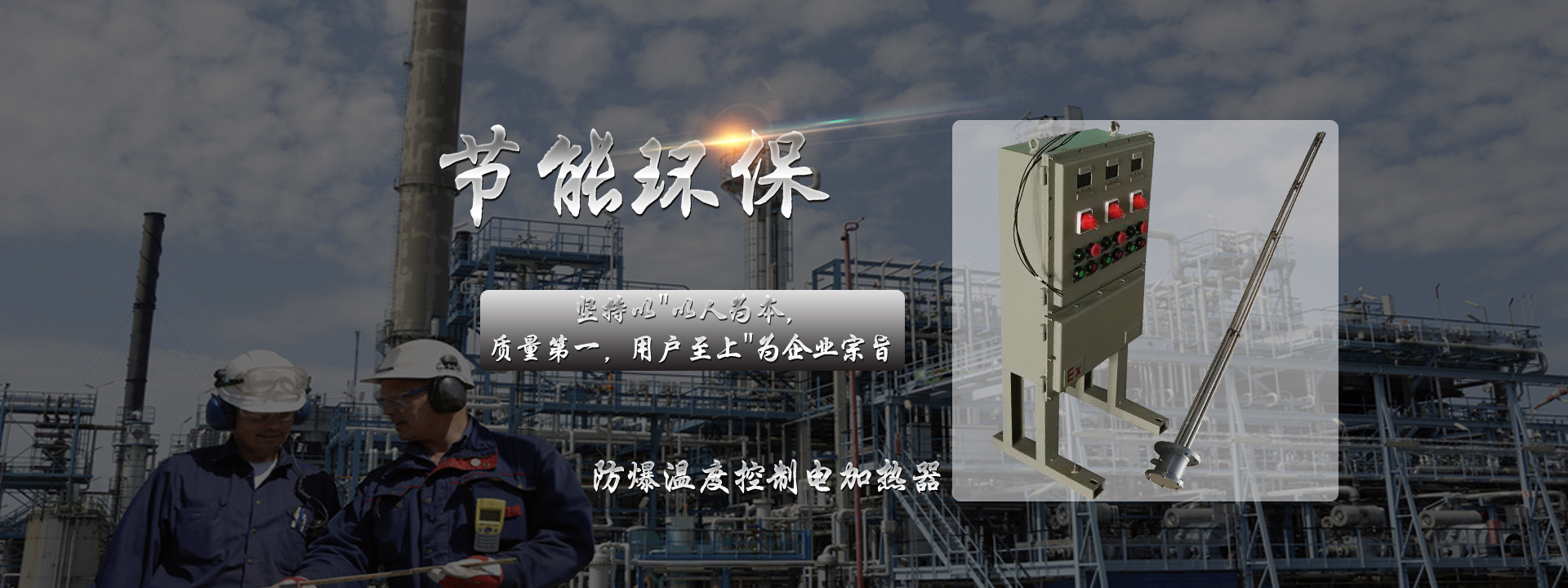
Asphalt Curing Heater: A Key Tool for Improving Construction Efficiency
Asphalt curing heater is a device specifically designed to heat non-curing rubberized asphalt waterproof coating. By heating, the asphalt material reaches the appropriate construction temperature, thereby ensuring construction quality and efficiency. This article will detail the working principle, technical features, and application scope of the asphalt curing heater.
Working Principle
The working principle of the asphalt curing heater is based on heating and circulation technology. It heats the non-curing rubberized asphalt waterproof coating to a suitable temperature through heating elements, and uses a pump system to circulate it, keeping the coating in a liquid state for easy application. This ensures good fluidity during application, improving construction quality.
Technical Features
The main technical features of the asphalt curing heater include:
- Efficient Heating: Uses efficient heating elements to heat asphalt to the required temperature in a short time.
- Precise Temperature Control: Equipped with precise temperature control functions to accurately adjust and maintain the coating temperature.
- Circulating Flow: The pump system keeps the coating continuously circulating, preventing local overheating or solidification.
- Easy Operation: User-friendly design for easy operation and maintenance.
- Energy Saving and Environmental Protection: Adopts advanced energy-saving technologies to reduce energy consumption and environmental pollution.
- High Durability: Made of high-quality materials to ensure long-term reliable operation.
Application Scope
Asphalt curing heaters are widely used in the field of building waterproofing
- Roof Waterproofing: Suitable for laying waterproof layers on new building roofs.
- Underground Waterproofing: Used for waterproofing basements, tunnels, and other underground structures.
- Bridge Waterproofing: Used for waterproofing bridges and other transportation infrastructure.
- Reservoir Waterproofing: Used for waterproofing reservoirs, pools, and other hydraulic engineering projects.
Usage Steps
- Preparation Phase: Place the asphalt curing heater in a suitable location, connect the power supply and other necessary pipelines.
- Loading Phase: Add the non-curing rubberized asphalt waterproof coating into the heater.
- Heating Phase: Start the heater, adjust the temperature controller according to construction requirements to bring the coating to the appropriate temperature.
- Circulation Phase: Turn on the pump system to circulate the coating inside the heater, maintaining uniform temperature.
- Construction Phase: Apply or spray the heated coating onto the surface to be treated.
- Cleaning Phase: After construction, turn off the heater and clean any residual coating inside and outside the equipment.
Selection Criteria
When selecting an asphalt curing heater, consider the following points:
- Heating Power: Choose appropriate heating power based on actual construction area and required heating capacity.
- Pump Flow Rate: Ensure the pump has sufficient flow to meet the coating circulation needs.
- Pressure Range: Consider the pressure conditions of the construction environment and select a suitable pressure rating.
- Temperature Control Accuracy: Choose equipment with high-precision temperature control functions.
- Durability and Maintainability: Select reliable brands and models that are easy to maintain.
- Safety Performance: Ensure the equipment has good safety protection measures.
Conclusion
Asphalt curing heaters play an important role in the field of building waterproofing due to their efficient heating, precise temperature control, and circulating flow characteristics. By properly selecting and using asphalt curing heaters, construction efficiency and waterproofing quality can be significantly improved, providing durable and reliable waterproof protection for buildings.