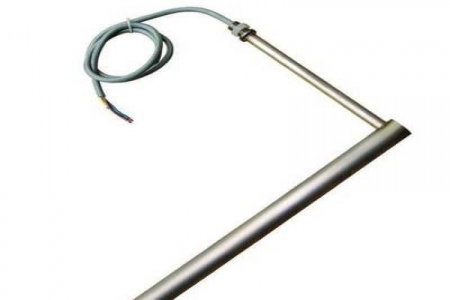

Introduction to 380V Single-Head Electric Heating Tube
The 380V single-head electric heating tube is a tubular heating element that converts electrical energy into thermal energy. It is usually composed of a metal tube, internal resistance wire, and filling material, capable of providing stable heat output, suitable for various heating applications.
Basic Principles
The working principle of the 380V single-head electric heating tube is to generate heat through the Joule heating effect when current flows through the resistance wire. The resistance wire is placed inside the metal tube, surrounded by good insulating materials such as magnesium oxide powder, to ensure good insulation between the resistance wire and the metal tube and to help distribute heat evenly.
Characteristics and Structure
Characteristics
Efficient energy conversion: Converts most electrical energy into thermal energy.
High temperature resistance: Can work stably at high temperatures.
Corrosion resistance: For specific applications, corrosion-resistant metal tube materials can be selected.
Compact structure: Compact design for easy installation.
Wide power range: Customizable power output as needed.
Temperature control: Can be equipped with temperature sensors for precise temperature control.
Structure
Metal tube: Usually made of stainless steel or other high-temperature resistant materials.
Resistance wire: Spiral resistance wire placed inside the tube as the heating element.
Insulating material: Such as magnesium oxide powder, filled between the resistance wire and the metal tube.
Connection terminals: Used for electrical connections.
Temperature sensing wire: Some models are equipped with temperature sensing wires for temperature monitoring and control.
Application Fields
The 380V single-head electric heating tube is widely used in the following fields:
Plastic processing: Used for heating in plastic processing equipment such as injection molding machines and extruders.
Mold heating: Used for preheating and maintaining temperature of molds.
Chemical production: Used for heating chemical reaction kettles, pipelines, etc.
Food processing: Used for heating food processing equipment.
Experimental equipment: Used for heating laboratory equipment.
Packaging machinery: Used in sealing machines, heat shrink packaging machines, etc.
Usage Precautions
Installation: Ensure correct installation of the electric heating tube to avoid collision and deformation.
Electrical connection: Correctly connect the power supply to ensure electrical safety.
Insulation check: Regularly check the insulation performance of the electric heating tube to prevent leakage.
Temperature control: Use appropriate temperature control systems to avoid overheating.
Maintenance: Regularly clean dust and impurities around the electric heating tube to keep it clean.
Conclusion
The 380V single-head electric heating tube plays an important role in various industrial heating applications due to its high efficiency, durability, and easy installation. With the development of technology and the advancement of material science, the design and manufacturing of this type of electric heating tube are continuously improving to meet broader market demands and higher efficiency requirements.
I hope this article about the 380V single-head electric heating tube helps you better understand its functions, characteristics, and importance in practical applications. If you need more detailed information or have other questions, please feel free to let me know.