
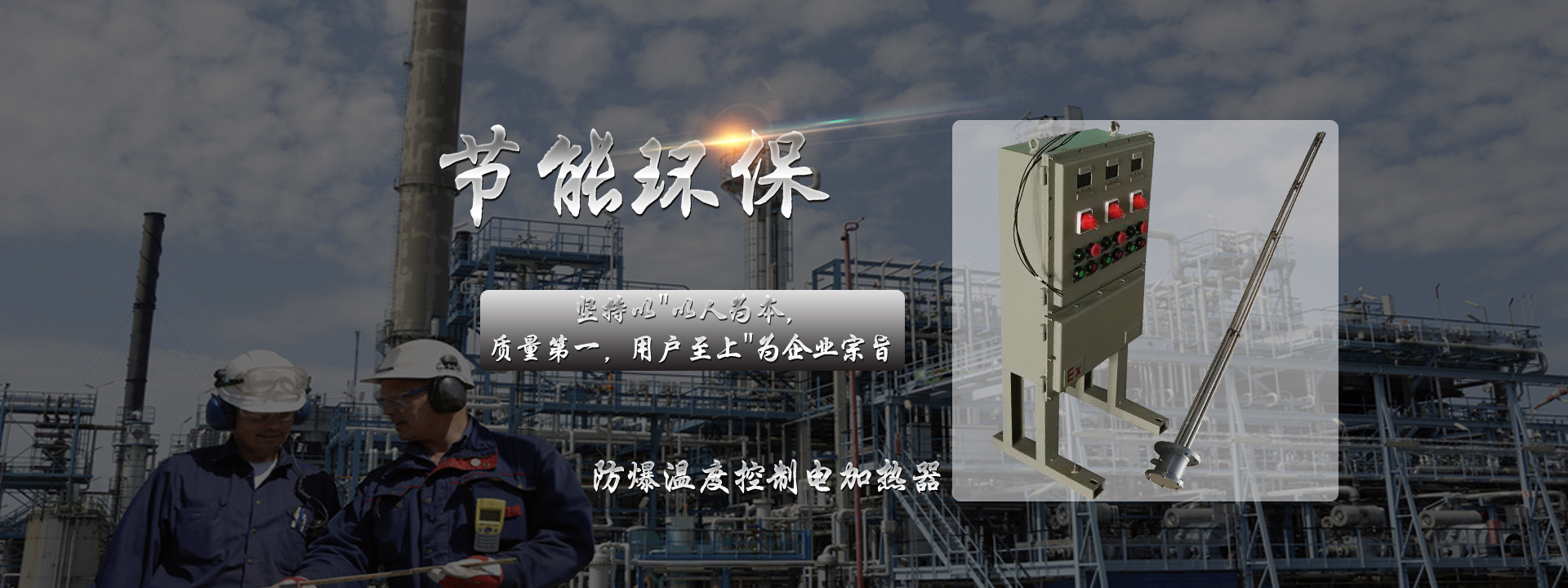
During the use of heating elements, it is very important to regularly check their integrity and remove dust or foreign objects as maintenance steps. Below is an overview of an article about regularly checking the integrity of heating elements and removing dust or foreign objects.
Regularly check the integrity of heating elements and remove dust or foreign objects
Overview
Heating elements are key components in many industrial equipment and household appliances, used to convert electrical energy into thermal energy. To ensure the normal operation of heating elements and extend their service life, regularly checking their integrity and removing dust or foreign objects are very important maintenance steps.
Importance of Inspection and Maintenance
Improve efficiency: Regular inspection ensures that heating elements are in optimal working condition, improving heating efficiency.
Extend lifespan: Maintenance can reduce wear and extend the service life of heating elements.
Ensure safety: Regular inspection helps to identify potential safety hazards in time and prevent accidents.
Inspection and Maintenance Steps
Turn off power: Before performing any maintenance operations, be sure to turn off the power to ensure operational safety.
Clean heating elements:
Remove dust: Use a soft brush or hair dryer to gently remove dust and impurities from the surface of the heating element.
Remove foreign objects: Check for foreign objects around the heating element, and carefully remove them if necessary.
Inspect heating elements:
Visual inspection: Check for obvious damage, deformation, or cracks on the heating element.
Connection check: Ensure that the connection between the heating element and the power supply is tight and not loose.
Functional test:
Resistance test: Use a multimeter to measure the resistance value of the heating element to determine if it is normal.
Heating test: Reconnect the power supply, briefly start the heating element, and observe whether it can heat normally.
Precautions
Safety first: Before performing any inspection and maintenance operations, ensure that the power has been disconnected.
Use appropriate tools: Use appropriate tools for cleaning and inspection to avoid damaging the heating element.
Regular maintenance: Develop a regular maintenance plan based on the equipment manufacturer's recommendations.
Professional maintenance: For complex maintenance work, it is recommended to contact professional technicians.
Application Examples
Household water heater: Regularly check the heating element in the water heater, clean scale, and ensure heating efficiency.
Industrial oven: Regularly check the heating elements inside the oven, clean dust, and avoid affecting baking results.
Food processing equipment: Regularly check the heating elements in food processing equipment to ensure uniform heating and improve product quality.
Conclusion
Regularly checking the integrity of heating elements and removing dust or foreign objects are key steps to ensure the normal operation of heating equipment and extend its service life. By following the above maintenance steps, you can improve heating efficiency, reduce failure rates, and ensure safe operation of the equipment.
The above is an overview of regularly checking the integrity of heating elements and removing dust or foreign objects. If you need more detailed information or an introduction to specific applications, please let me know your specific needs.