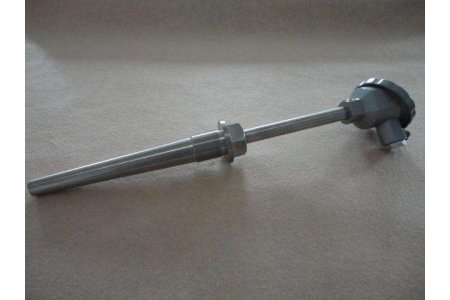

Heater Selection and FAQ
Introduction
Heaters are important components in many industrial and laboratory applications. Proper selection is crucial for ensuring work efficiency and safety. This article provides some suggestions for selecting heaters and answers common questions.
Selection Guide
Determine Application
Application Field: First, clarify the field where the heater will be used, such as chemical industry, laboratory, biomedicine, or food processing.
Heating Requirements: Determine the required heating power and temperature range based on specific heating needs.
Technical Specifications
Power: Choose a power specification that matches the application.
Temperature Range: Ensure the heater can meet the required temperature control accuracy.
Material: Select appropriate materials based on the nature of the heating medium. For example, PTFE (polytetrafluoroethylene) is a good choice for handling corrosive media.
Safety Features
Overheat Protection: Choose products with overheat protection to ensure safety.
Sealing: Good sealing is important for applications involving liquids or corrosive gases.
Maintenance and Support
Ease of Maintenance: Select heaters that are easy to maintain and clean.
After-Sales Service: Consider the warranty and support services provided by the manufacturer.
Cost Effectiveness
Initial Investment: Compare prices of different brands and models.
Long-Term Operating Costs: Consider factors such as energy consumption and maintenance costs.
FAQ
Q: How to choose the appropriate heating power?
A: Calculate the required power based on the mass of the heating medium and the target temperature. Consult the manufacturer or professionals for accurate calculation methods.
Q: What applications are PTFE heaters suitable for?
A: PTFE heaters are ideal for applications involving acidic, alkaline, or other corrosive media due to their corrosion resistance.
Q: How to ensure safe use of the heater?
A: Read the user manual carefully before use and follow all safety operating procedures. Ensure the heater has overheat protection and perform regular maintenance checks.
Q: How long is the service life of a heater?
A: It depends on the quality, frequency of use, and maintenance of the heater. High-quality heaters can last for many years with proper maintenance.
Q: How to clean the heater?
A: The cleaning method depends on the type of heater and the materials used. Generally, use a mild detergent and a soft cloth to wipe gently. For PTFE heaters, avoid using hard brushes or abrasives to prevent scratching the surface.
Q: What should be noted during the use of the heater?
A: Avoid dry heating; ensure there is sufficient liquid or medium covering the heating element. Also, avoid suddenly turning off the power to prevent temperature fluctuations.
Q: How to determine if the heater needs repair?
A: If the heater fails to reach the expected temperature, heats up slowly, or produces abnormal sounds or odors, it may need repair.
Conclusion
Choosing the right heater is crucial for ensuring work efficiency and safety. Understanding your heating needs, carefully considering the technical specifications of the heater, and paying attention to maintenance and safety procedures will help you make an informed decision. By answering common questions, this article hopes to help you better understand and use heaters.
I hope this article helps you make an informed decision when selecting a heater and resolves some common doubts. If you need more detailed information or other content, please let me know!