
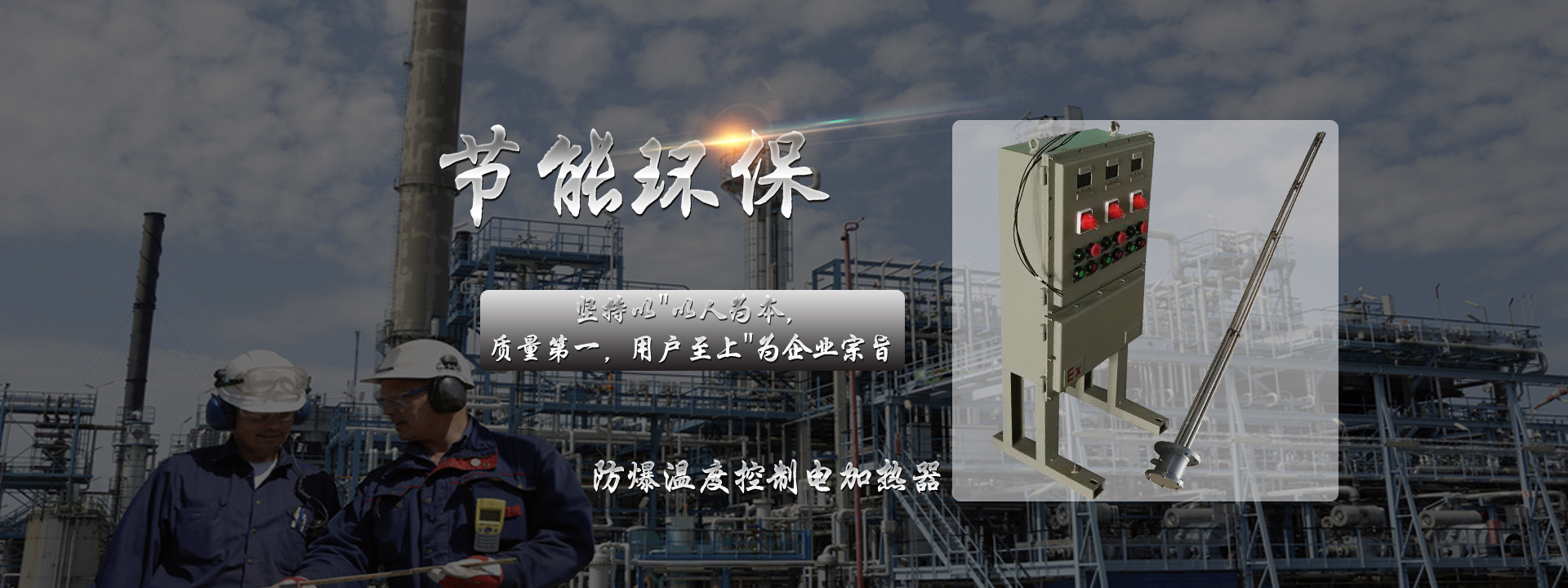
The electric heater heating tube mainly consists of the following parts:
Resistance wire: Usually made of nickel-chromium alloy (NiCr) or iron-chromium-aluminum alloy (FeCrAl) as the heating element, due to their good heat resistance and high resistivity.
Insulation material: To prevent current leakage, the resistance wire is wrapped in magnesium oxide powder or other insulating materials.
Sheath: The outer layer is typically a sheath made of stainless steel, copper, aluminum, or other materials, which protects the resistance wire and conducts heat to the medium being heated.
Working Principle
The working principle of the electric heater heating tube is based on resistance heating. When current passes through the resistance wire, heat is generated according to Joule's law. The heat is transferred through the sheath to the surrounding medium, achieving the heating effect.
Application Areas
Industrial Applications
Chemical industry: Used for reactor heating, pipeline heating, etc.
Oil and gas: Heating crude oil and natural gas to prevent wax deposition.
Pharmaceutical industry: Used in heating, drying, and other processes in pharmaceutical manufacturing.
Commercial and Residential
Household appliances: Such as electric water heaters, electric ovens, electric heaters, etc.
Food service: Used in cooking equipment in restaurant kitchens, such as deep fryers, steamers, etc.
Advantages and Disadvantages
Advantages
High efficiency and energy saving: The electric heater heating tube directly converts electrical energy into heat energy with high conversion efficiency.
Easy installation: Products can be customized in different lengths and powers according to actual needs, making installation and replacement easy.
Long service life: High-quality heating tubes can work stably for a long time under normal conditions.
Disadvantages
Maintenance cost: Improper use or untimely maintenance may cause damage to the heating tube, increasing repair costs.
Safety risks: Failure to operate according to regulations may lead to safety accidents such as fire.
Usage and Maintenance Suggestions
Usage Precautions
Match power supply: Ensure that the heating tube matches the supply voltage to avoid damage due to overvoltage or undervoltage.
Prevent dry burning: When heating liquids, ensure that the liquid level is not lower than the lowest point of the heating tube to prevent dry burning and damage.
Maintenance
Regular inspection: Regularly check whether the heating tube is intact and free from corrosion or wear.
Cleaning and maintenance: Promptly remove dirt or deposits on the surface of the heating tube to maintain good heat transfer efficiency.
Conclusion
The electric heater heating tube, due to its high efficiency and convenience, is widely used in many fields. With technological advancements, the design and manufacturing processes of heating tubes are continuously improving. In the future, more efficient, safe, and durable products will be developed to better serve the needs of various industries.