
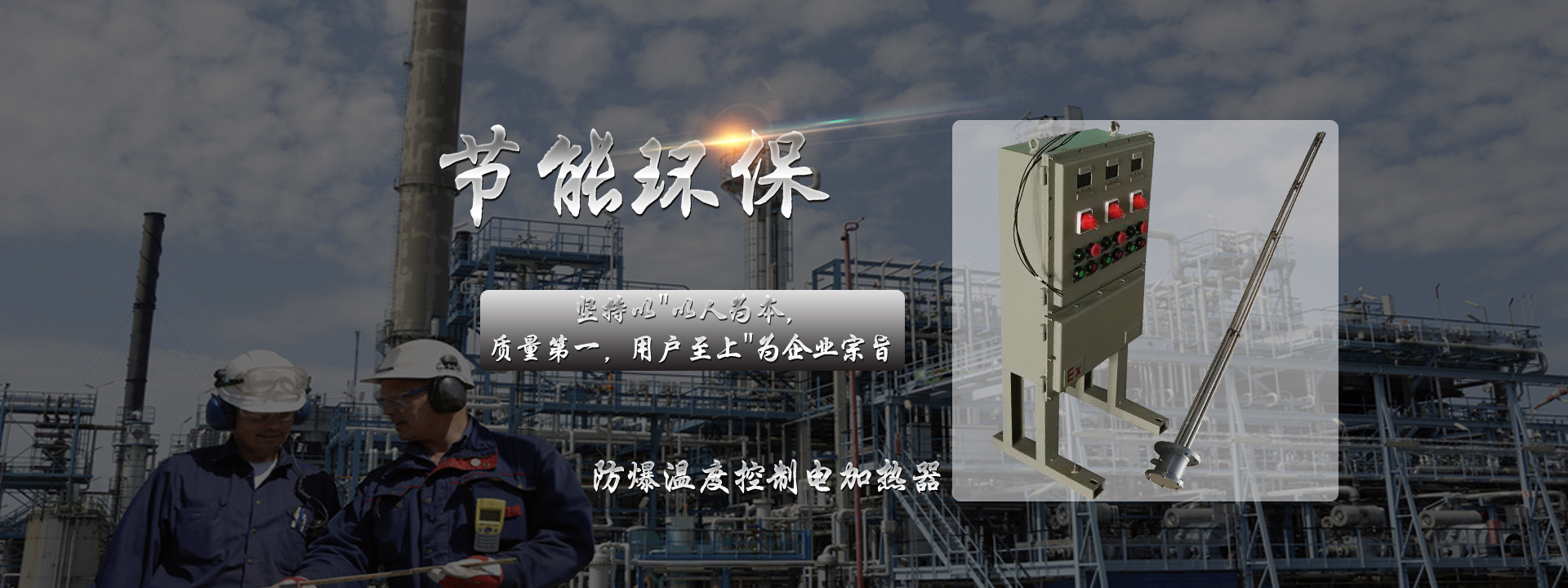
It generates heat by passing current through a resistive material to achieve heating. This technology is widely used in household, industrial, and commercial environments for providing hot water, heating, and various production processes requiring thermal energy.
Basic Principle of Electric Heater Heating Tube
The working principle of the electric heater heating tube is based on Joule's law, which states that when current passes through a conductor, heat is generated due to resistance. Specifically, when current flows through the resistance wire (usually made of high-resistivity materials such as nickel-chromium alloy) inside the heating tube, the wire generates heat and transfers it to the surrounding medium (such as air, water, or other liquids), thereby achieving the purpose of heating.
Types of Heating Tubes
Depending on different application scenarios and requirements, heating tubes can be classified into various types:
Stainless steel heating tube: Suitable for most environments, especially where water quality is hard or slightly corrosive.
Quartz heating tube: Has good high-temperature resistance and rapid heating characteristics, commonly used in drying equipment.
Cast aluminum heating tube: Suitable for applications requiring uniform heating, such as mold heating.
Finned heating tube: Increases heat dissipation area and improves heat exchange efficiency, particularly suitable for air heating.
Application Areas
Due to their high efficiency and convenience, electric heater heating tubes are widely used in many fields:
Household appliances: Such as water heaters, induction cookers, ovens, etc.
Industrial heating: Including reactor heating, material drying in chemical, food processing, pharmaceutical, and other industries.
Commercial facilities: Such as hot water supply systems in hotels, shopping malls, etc.
Design and Maintenance Considerations
To ensure safe and reliable operation of electric heater heating tubes, the following points should be noted during design and use:
Power selection: Choose the appropriate power of the heating tube based on actual needs to avoid overload operation.
Material selection: Select suitable heating tube material according to the characteristics of the working environment to extend service life.
Regular inspection and maintenance: Regularly inspect the heating tube, clean surface dirt, check if connections are secure, and prevent short circuits or open circuits.
Conclusion
As an efficient heating solution, the electric heater heating tube not only plays an important role in household appliances in daily life but also plays an irreplaceable role in industrial production and commercial applications. With technological advancement, the application of new materials and technologies will further enhance its performance and promote the development of related industries. For users, understanding the working principle and correct usage methods of heating tubes can better utilize this tool and effectively extend the service life of the equipment.