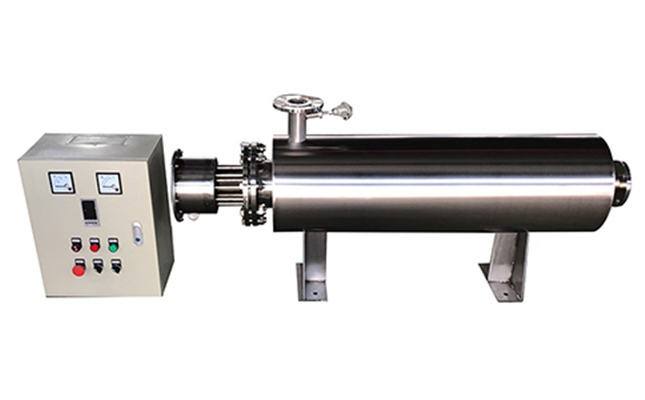
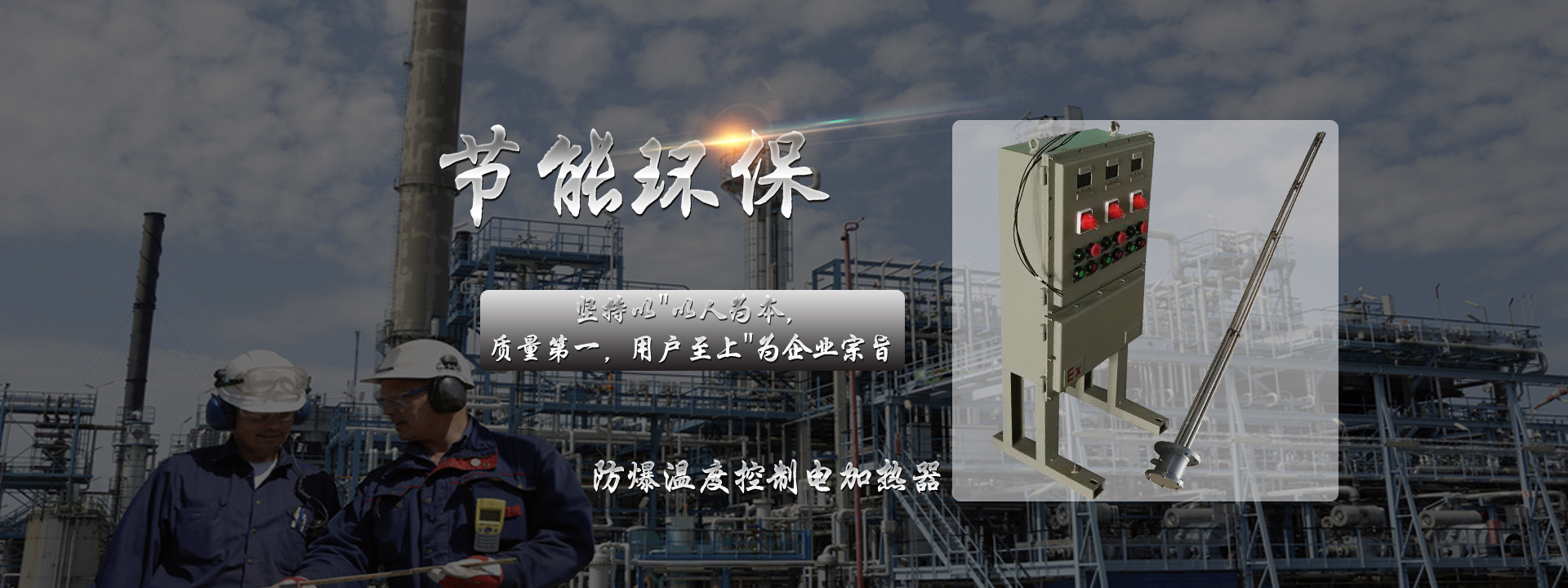
Electric heater heating tubes are key components that convert electrical energy into thermal energy, widely used in household appliances, industrial manufacturing, and laboratory equipment. Depending on different application requirements and working environments, heating tubes can be made of various designs and materials to ensure efficient and safe provision of the required heat.
Main Types
Stainless steel heating tubes: Due to their good corrosion resistance and mechanical strength, they are suitable for most household appliances (such as water heaters, coffee machines) and some light industrial scenarios.
Quartz heating tubes: Utilizing the high light transmittance and high-temperature resistance of quartz materials, they are commonly used in applications requiring infrared radiation heating, such as heaters or industrial drying equipment.
Ceramic heating tubes: With excellent insulation performance and high temperature resistance, they are suitable for occasions requiring high temperatures, such as ovens and furnaces.
Titanium heating tubes: Due to their excellent corrosion resistance, they are particularly suitable for use in environments containing chloride ions or other strongly corrosive media, such as seawater desalination systems or swimming pool heating equipment.
Fin-type heating tubes: By increasing the heat dissipation area to improve heating efficiency, they are widely used in air heating systems.
Working Principle
The operation of electric heater heating tubes is based on the principle of resistance heating, where heat (Joule heat) is generated due to the resistance when current passes through a conductor (usually a metal wire or alloy wire). Choosing appropriate materials and structural design is crucial for achieving efficient energy conversion.
Resistance wire: Usually made of nickel-chromium alloy or iron-chromium-aluminum alloy, these materials have high resistivity and good heat resistance.
Filling material: To protect the resistance wire and enhance safety, the inside of the heating tube is typically filled with magnesium oxide powder as an insulating and thermally conductive medium.
Shell material: Depending on the application scenario, different shell materials such as stainless steel, copper, or titanium can be selected to meet specific physical and chemical requirements.
Application Fields
Household appliances: Including electric kettles, washing machines, dishwashers, etc., providing convenient services for daily life.
Industrial manufacturing: Used in plastic molding machines, mold heating, chemical reactors, and various industrial processes to ensure temperature control during production.
Laboratory equipment: In experimental research, precise temperature control is crucial for experimental results, so heating tubes are also widely used in various laboratory instruments.
Technology Development Trends
With technological advancement, electric heater heating tubes are also evolving:
High efficiency and energy saving: Improving materials and technologies to reduce energy loss and enhance energy utilization efficiency.
Intelligent control: Integrating temperature sensors and intelligent control systems to achieve automatic adjustment and remote monitoring functions.
Environmental protection and safety: Developing lead-free welding technologies and more environmentally friendly materials, while enhancing product safety to reduce fire risks.
Customized solutions: Providing customized heating tube designs for special needs to better adapt to diverse application scenarios.
In summary, electric heater heating tubes, as core components of electric heating systems, play an indispensable role in modern life and industrial production. In the future, with the application of new materials and technological progress, electric heater heating tubes will continue to develop towards greater efficiency, intelligence, and environmental friendliness.