
-
Duct-type Explosion-proof Heater -
-
Duct Circulating Electric Heater Overview:
The heater is mainly used for heating air in ducts. It is available in low, medium, and high temperature types. Structurally, they share the common feature of using steel plates to support the electric heating tubes to reduce vibration when the fan stops. All junction boxes are equipped with over-temperature control devices. The low-temperature type can be directly installed in the duct, while the medium and high-temperature types, due to structural differences, have a 100mm thick insulation material between the outer wall of the duct and the heater junction box, which reduces heat dissipation from the entire duct and also lowers the temperature inside the junction box.
The duct heater is mainly used to heat the required air flow from the initial temperature to the desired air temperature, up to 500°C.
Duct-type Electric Heater Principle and Common Specifications:
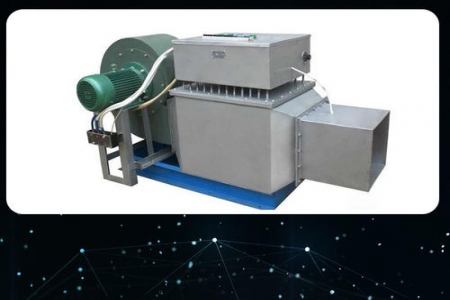
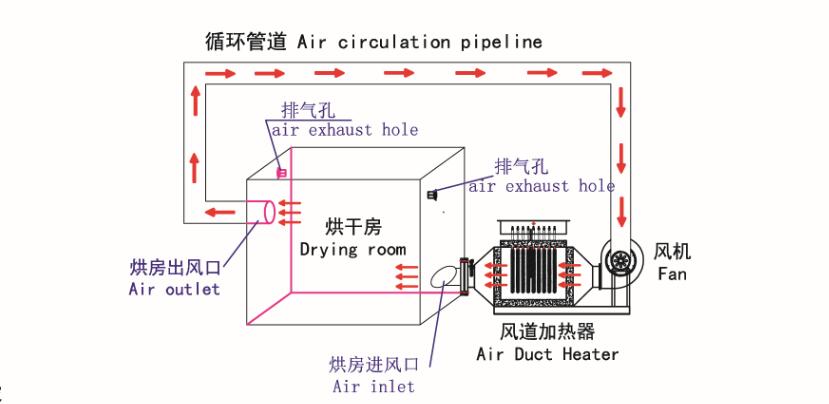
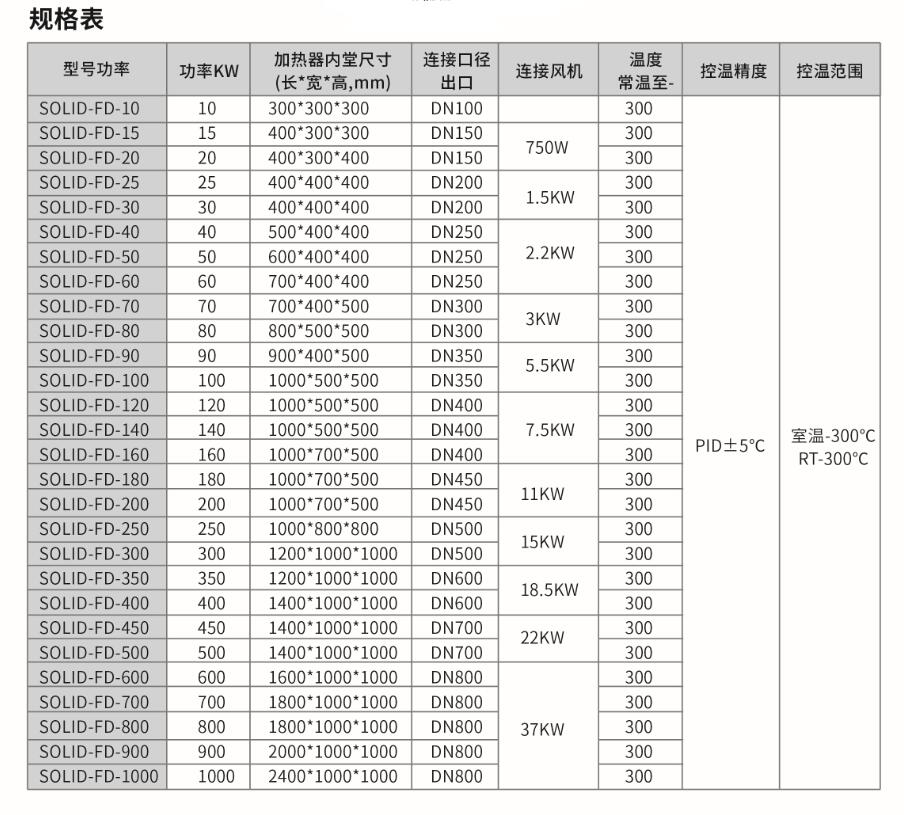
Duct-type Electric Heater Application Scope:
It can heat gases, producing hot air that is dry, non-conductive, non-combustible, non-explosive, non-corrosive, non-polluting, safe, and reliable, with rapid temperature rise in the heated space (controllable).
Duct-type Electric Heater Application Fields:
Widely used in aerospace, ordnance industry, chemical industry, and many scientific research and production laboratories in universities. Particularly suitable for automatic temperature control and large-flow high-temperature combined systems and accessory tests.
Duct-type Electric Heater Usage Precautions:
1. To avoid damage to the heater and air conditioning unit, please carefully read the "Duct Electric Heater User Manual" included in the product packaging before installation, commissioning, and use.
2. The duct-type electric heater is equipped with a thermal protector that automatically cuts off the power. Avoid operating the heater without airflow. Only activate the auxiliary heater after the duct fan is working normally to ensure proper operation and extend service life.
3. Regularly clean the surface of the heating tubes to extend their life and improve dehumidification efficiency. When a fault occurs, first check whether the two temperature control wires are connected; if not, replace the thermostat and overheat protector. Then check whether the AC contactor and circuit breaker are working properly; if not, replace them..jpg)