
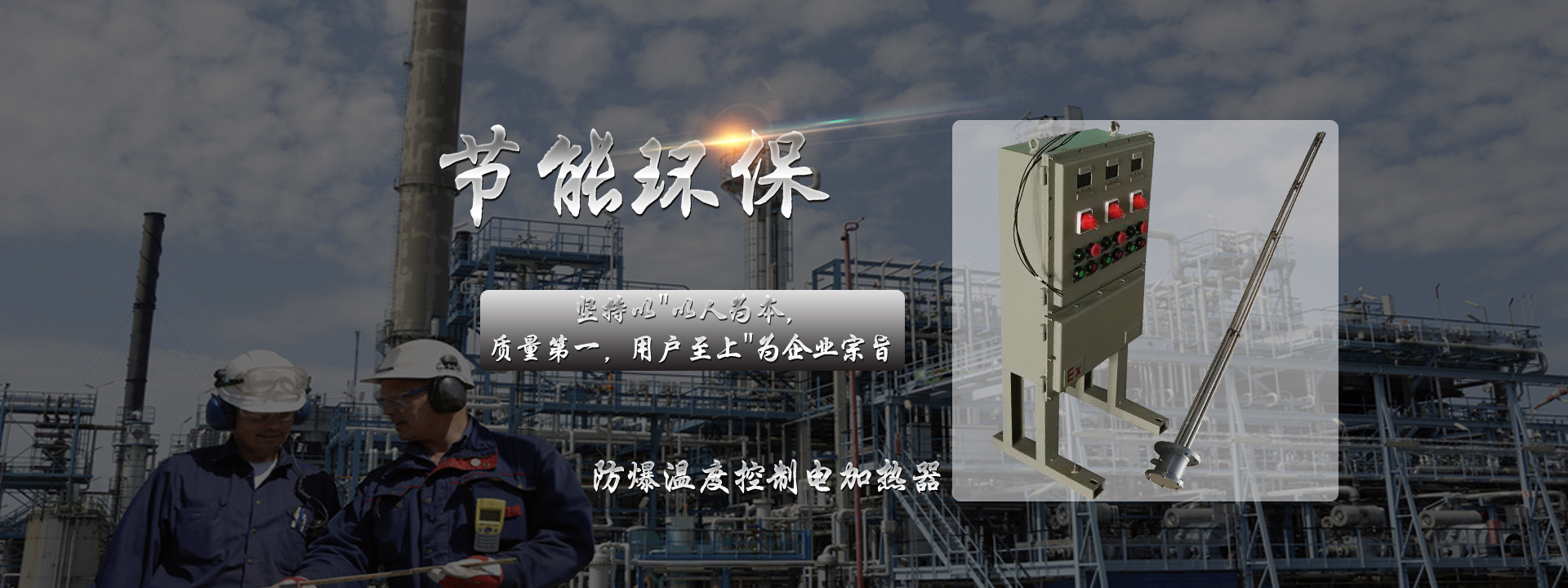
When current passes through the high-temperature resistance wire, the generated heat diffuses through the crystalline magnesium oxide powder to the metal tube surface, and then transfers to the heated part or air to achieve heating. Its design concept has always been at the forefront of the industry, inheriting many advantages of European mechanical design, such as performance and energy saving. Since its launch, Keluode mold temperature control equipment has been widely used in automotive interior parts, automotive components, building materials, electronics, daily necessities, household appliances, rubber and plastic products, and many other industries. Currently, mold temperature control technology on the market still remains at a simple design level of temperature controller + device + temperature, only meeting the customer's production requirements, with many deficiencies in terms of operational safety, energy saving, and environmental protection. The heating power can be adjusted from 20% to any value, and 485 communication can also be achieved, ensuring that the device meets user requirements. The heating temperature is controlled within ±1°C, with advanced multiple protections and reliable monitoring devices, and can be connected to a computer for human-machine interaction. Regularly replace the thermal oil (replacement cycle based on the thermal oil manual and supplier recommendations). The overall structure design of the parts heating and cooling unit adopts modular design, easy to replace and convenient to combine into different heating and cooling powers, making the product easy to operate. After setting the thermal balance temperature, it can automatically control the temperature within minimal error. It adopts a fin-type high-temperature oil cooler installation design, with constant temperature and fast cooling speed. Due to its large internal copper tubes, it is not easily blocked. Generally, condensers have small internal pipelines, which become blocked after a period of use due to water scaling, affecting constant temperature accuracy. Another design, such as those in Guangdong, directly connects cooling water pipes into the heating cylinder for cooling. Since the machine operates at high temperatures for a long time, if the water pipe ruptures, it can cause fire hazards. It is a device that converts electrical energy into heat to heat the required materials or equipment. During operation, the low-temperature fluid medium enters through the pipeline under pressure, carrying away the high energy generated by the electric heating elements, causing the temperature of the heated medium to rise. It follows the specific heat exchange channel inside the electric heating container. When the element overheats, the overheat protection device immediately cuts off the heating power. It uses a path designed based on fluid thermodynamics principles.
High-temperature medium required for the export technology of double cone rotary dryer thermal oil electric heating equipment. The internal control system of Keluode precision machinery adjusts the output power of the electric heater based on the temperature sensor at the output port, ensuring uniform medium temperature at the output port; preventing overheating of the heated material, which can cause coking, deterioration, carbonization, or even element burnout in severe cases, effectively extending the service life of the electric heater. To ensure the normal operation of the thermal oil furnace heating equipment system, users should pay attention to key points.
Features of double cone rotary dryer thermal oil electric heating equipment:
1. Machine oil return temperature indicator
2. Automatic exhaust function at startup, heating power switching function
3. Hot oil BY-P relief circuit
4. Customizable multi-point temperature control units
5. Customizable oil pump horsepower and heating power
6. Electrical components use WEST, ABB, TE, LG, Schneider, Siemens
7. Temperature control range: water can be heated to 120°C, heat transfer oil to 350°C
8. Isolated electrical control box, long service life of electrical components.
|
Model |
Unit |
JFOT-30 |
JFOT-40 |
JFOT-50 |
JFOT-75 |
JFOT-100 |
|
Temperature Control Range |
℃ |
Water up to 170°C, thermal oil or heat transfer oil room temperature -350°C |
||||
|
Temperature Control Accuracy |
|
PID±1℃ |
||||
|
Power Supply |
|
AC3∮380V 50HZ+E (5M) |
||||
|
Heat Transfer Medium |
|
Thermal oil or water or heat transfer oil |
||||
|
Cooling Method |
|
Indirect Cooling |
||||
|
Heating Power |
KW |
24/36 |
36/48 |
48/65 |
80 |
93 |
|
Pump Power |
P |
3 |
4 |
5 |
7.5 |
10 and above |
|
Pump Flow Rate |
M3/H |
10 |
12.5 |
16 |
12.5(18) |
25(30) |
|
Pump Pressure |
KG/CM2 |
2.5 |
3.0 |
3.5-inch |
5.0(4.5) |
5.0(4.8) |
|
Power Consumption |
KW |
27/39 |
39/51 |
52/69 |
66/86 |
98 |
|
Protection Functions |
|
Phase failure/Oil shortage/Overtemperature/Overload/Undervoltage |
||||
|
Cooling Water Pipe |
INCH |
1/2 |
1/2 |
1/2 |
1/2 |
3/4 |
|
Circulation Oil Pipe |
INCH |
1 |
1-1/4 |
1-1/4 |
1-1/2 |
2 |
|
Dimensions |
MM |
1550*500 *1300 |
1750*550 *1700 |
1900*550 *1800 |
2000*600 *2100 |
2150*650 *2200 |
|
Weight |
KG |
185 |
265 |
310 |
360 |
420 |
The service life of double cone rotary dryer thermal oil electric heating equipment should be viewed from a comprehensive perspective. Although the factors mentioned above are important, control is also crucial. Usually, we use ON/OFF control, causing the surface temperature of the heater to change frequently, similar to fatigue motion, which accelerates the oxidation of the heating tube surface and shortens the heater's service life. The temperature control during operation in the pipeline must be precise; otherwise, the purpose of temperature control cannot be achieved. Regarding the pipeline, we need to judge whether there is blockage based on the relationship between pump and pressure. If the pressure is too low, we can remove the pipe and clean it with tools, especially the inlet filter screen, which is best cleaned once a month. In the controller, introducing only the "proportional" term is often insufficient. The proportional term only amplifies the error amplitude, but what is needed is the "derivative" term, which can predict the trend of error change. Thus, a controller with proportional + derivative can make the error control effect zero or even negative in advance, avoiding severe overshoot of the controlled variable. Therefore, for controlled objects with large inertia or lag, the proportional + derivative (PD) controller can improve dynamic characteristics during regulation. During operation, the low-temperature fluid medium enters through the pipeline under pressure, along the specific heat exchange channel inside the electric heating container, carrying away the heat of the electric heating elements.