What exactly is gasification plate technology?
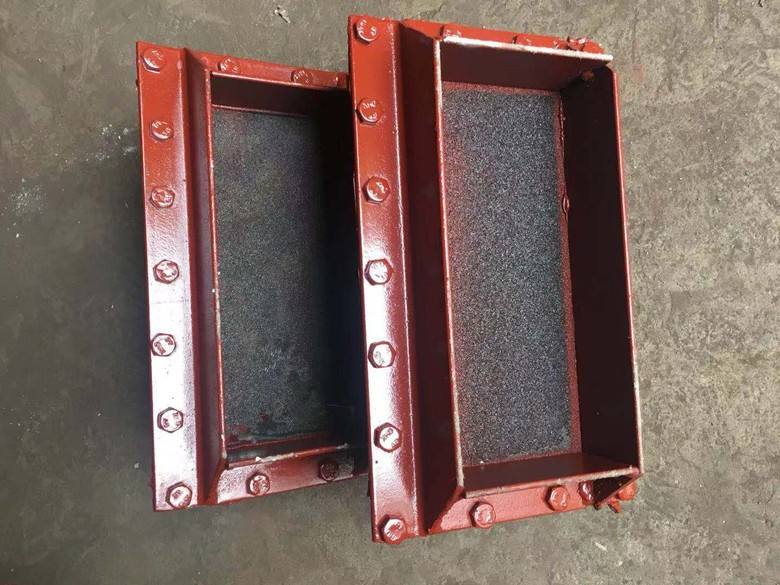
The gasification plate is mainly composed of a silicon carbide gasification plate, a rubber sealing ring, and a metal shell. Heated compressed air is introduced to the base plate through the gasification device, uniformly enters the material layer through the gasification plate, and through the funnel and full flow in a slightly loosened state, it avoids bridging of materials with arches and funnels, increases material flow, and continues to ensure stable and safe production. The gasification plate bottom gasifier auxiliary component box, hopper, corn bottom silo, and the commonly used model qhb300x150 in gasification tanks are usually installed on bottom ash storage materials, set on one side. After air preheating, the flow of powder and materials can be increased, but the material liquid can also avoid bypass arches.
First, a simple comparative analysis of the characteristics, performance, and technical parameters of the gasification plate is conducted. The gasification plate is an auxiliary component for intermediate warehouses, ash hoppers, flat-bottom warehouses, and conical-bottom warehouses. After turning on the preheating device, it passes through the fluidized holes near the gasification plate together with the cloud layer under a certain pressure to increase material flow and avoid material liquid circulation and arches. The gas element plate is sintered from silicon carbide particles, with excellent air permeability and wear resistance. Through pickling and the antioxidant surface in the galvanized tank, it is not easy to rust, and heat-resistant rubber is used to seal the resin between the plate and the gasification tank.
The gasification transmission layer uses a shell gasifier made of silicon carbide material, with a steel structure. It has sufficient strength for the gasification of silicon carbide material, a smooth surface, and excellent air permeability. It ensures natural flow, prevents powder hopper compaction, enables smooth discharge from the ash hopper, and gasifies the heated air. At the bottom of the ash silo, the gas turns into an ash hopper, fully fluidizing the stored ash for smooth outflow.