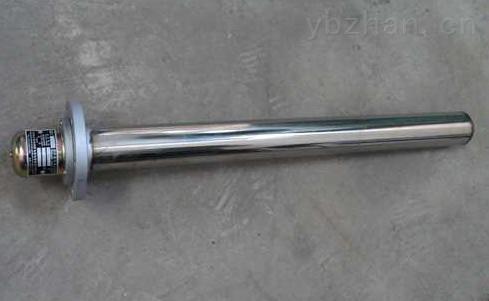

1. The most commonly used material by general customers is stainless steel 304. The working environment is generally divided into dry burning and liquid heating. If it is dry burning, such as for ovens or duct heaters, carbon steel or stainless steel 304 can be used. If it is for heating liquids, if it is water, use stainless steel electric heating tubes, usually stainless steel 304. If it is oil, carbon steel or stainless steel 304 can be used. If it is a weakly acidic or alkaline liquid, stainless steel 316 can be used. If the liquid contains strong acid, stainless steel 316, PTFE, or even titanium tubes should be used.
2. Determine the power of the heating tube based on the working environment.
The power setting mainly depends on dry burning and liquid heating. For dry burning, generally a 1-meter tube is rated at 1KW. For liquid heating, a 1-meter tube is typically rated at 2-3KW, with a maximum not exceeding 4KW.
3. Choose the shape of the heating tube according to the customer's electric heating equipment.
The shapes of stainless steel heating tubes are varied. The simplest is a straight rod, U-shaped heating tube, and then special shapes. Use the specific shape of the electric heating tube according to the specific situation.
4. Determine the wall thickness of the heating tube based on the usage conditions of the customer's heating tube. The performance curve for heating tube power calculation generally uses a wall thickness of 0.8mm. However, depending on the working environment, such as high water pressure, a thicker seamless stainless steel tube should be used to make the electric heating tube.
5. When purchasing, ask the manufacturer clearly about the internal materials of the heating tube. Why do many heating tubes look similar on the outside but have large price differences? That lies in the internal materials. The two most important internal materials are insulating powder and alloy wire. For insulating powder, inferior ones use quartz sand, while good ones use modified magnesium oxide powder. For alloy wire, common ones use iron-chromium-aluminum. Depending on the requirements and grade of the tube, nickel-chromium alloy wire can be used.