Introduction to PTFE Heater
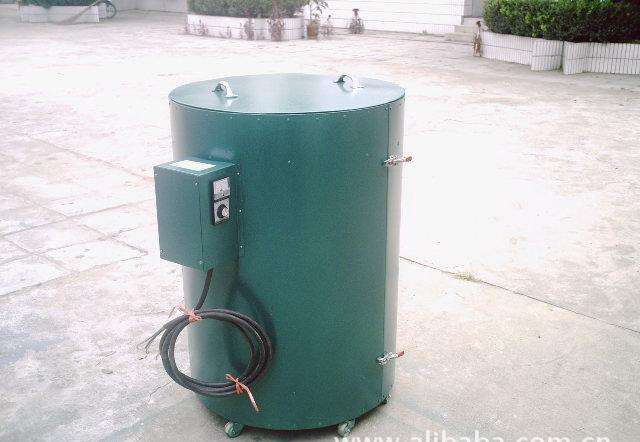
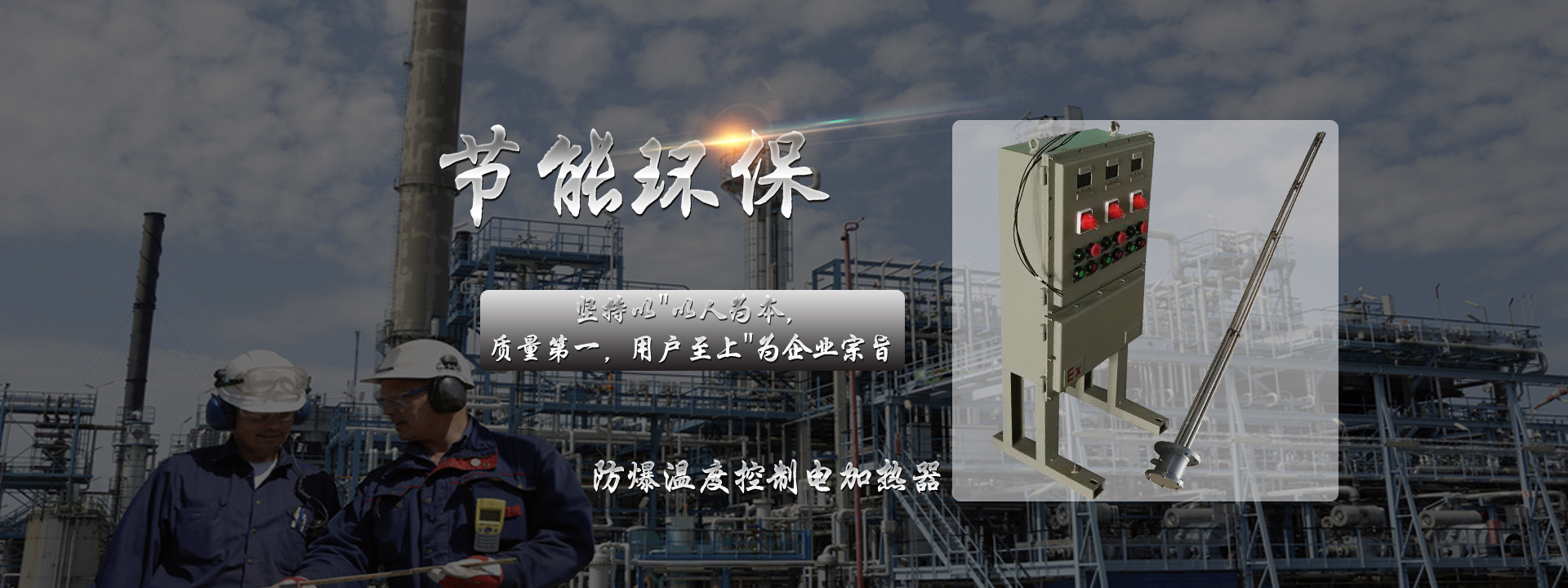
PTFE heater is a heating device that converts electrical energy into thermal energy, mainly used in applications requiring corrosion resistance and high temperature resistance. This type of heater usually uses polytetrafluoroethylene (PTFE) as the main material of the heating element, so it is also called polytetrafluoroethylene heater or fluoroplastic heater.
Basic Principle
The basic working principle of PTFE heater is similar to other electric heaters, that is, heating through the Joule heating effect generated by current passing through resistance wire. But its uniqueness lies in the use of polytetrafluoroethylene (PTFE) as the material of the heating element, which has excellent chemical stability and thermal stability, and can maintain stable working conditions in harsh environments.
Characteristics and Structure
Characteristics
Corrosion resistance: PTFE has excellent chemical corrosion resistance and can resist the erosion of most acid and alkali solutions.
High temperature resistance: It can work stably under high temperature conditions, suitable for high temperature heating needs.
Non-stickiness: PTFE surface is smooth, not easy to adhere to substances, easy to clean.
Electrical insulation: It has good electrical insulation performance, safe and reliable.
Long life: Due to the stability and durability of the material itself, PTFE heater has a long service life.
Structure
Heating element: Made of polytetrafluoroethylene (PTFE) material, filled with resistance wire inside.
Insulation layer: Usually PTFE is used as the insulation layer to ensure good isolation between the heating element and the external environment.
Outer tube: Depending on the specific application, different outer tube materials can be selected, such as stainless steel.
Connectors: Including power connection terminals, etc., for electrical connection.
Application Fields
Chemical industry: Used for heating reactors, pipelines, etc.
Pharmaceutical industry: Used for heating in drug production processes.
Food processing: Used for heating food processing equipment.
Experimental equipment: Used for laboratory heating equipment.
Water treatment: Used for heating in wastewater treatment equipment.
Operating Precautions
Installation: Ensure the heater is correctly installed to avoid collision and deformation.
Electrical connection: Correctly connect the power supply to ensure electrical safety.
Insulation check: Regularly check the insulation performance of the heater to prevent leakage.
Temperature control: Use appropriate temperature control system to avoid overheating.
Maintenance: Regularly clean the dust and impurities around the heater to keep it clean.
Industry Development
With the continuous improvement of environmental protection and safety production requirements, the demand for PTFE heaters in industries such as chemical and pharmaceutical continues to grow due to their unique corrosion resistance and high temperature resistance. In addition, with the development of new materials and technologies, the design and manufacturing of PTFE heaters are also constantly innovating to improve efficiency and reduce costs.
Conclusion
PTFE heaters play an important role in heating applications requiring corrosion resistance and high temperature resistance due to their excellent corrosion resistance and high temperature resistance. With the continuous advancement of technology, the design and manufacturing of this type of heater are also constantly improving to meet broader market demands.
I hope this article about PTFE heaters can help you better understand their functions, characteristics, and importance in practical applications. If you need more detailed information or have other questions, please feel free to let me know.