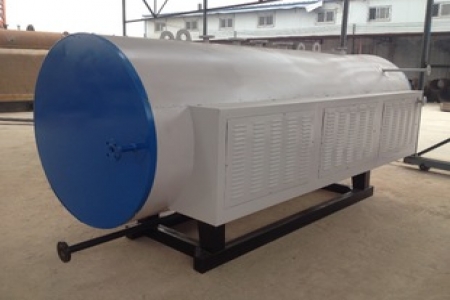

Ensuring the secure installation of heating elements is crucial to prevent accidental detachment, which not only affects the normal operation of the heating equipment but also involves the safety of operators. Below is an overview of an article on ensuring the secure installation of heating elements.
Ensure Secure Installation of Heating Elements: Prevent Accidental Detachment
Overview
Heating elements are key components in many industrial equipment and household appliances, used to convert electrical energy into thermal energy. Ensuring the secure installation of heating elements can avoid safety hazards caused by accidental detachment, while also helping to improve heating efficiency and extend the service life of the equipment.
Importance of Secure Installation
Improve Safety: Prevent heating elements from loosening and falling off, reducing the occurrence of safety accidents.
Ensure Efficiency: Secure installation ensures close contact between the heating element and the object being heated, improving heating efficiency.
Extend Lifespan: Reduce vibration and movement, helping to extend the service life of the heating element and its connectors.
Installation and Fixing Methods
Choose Appropriate Fixing Methods:
Strap Fixing: Use high-temperature resistant straps to secure the heating element to the object being heated.
Clamp Fixing: Use metal clamps to fix the heating element in place.
Adhesive Fixing: Use high-temperature resistant adhesive to attach the heating element to the object being heated.
Installation Steps:
Clean Surface: Ensure the surface of the object being heated is clean and dust-free so that the heating element can adhere firmly.
Position Installation: Determine the optimal installation position based on the length and width of the heating element.
Secure the Heating Element: Fix the heating element according to the selected method, ensuring it is in close contact with the object being heated.
Inspection and Adjustment:
Tightness Check: Check if the heating element is securely fixed, and make adjustments if necessary.
Start-up Test: Start the heating equipment and observe whether the heating element operates normally.
Precautions
Select Appropriate Materials: Ensure that the fixing materials used can withstand high-temperature environments.
Avoid Overstretching: When fixing the heating element, avoid overstretching to prevent damage.
Regular Inspection: Regularly check the fixing condition of the heating element and replace aging or damaged fixing materials in a timely manner.
Safe Operation: Always follow safety operating procedures during installation and inspection.
Application Cases
Chemical Reactors: In chemical production, heating elements are used to heat reactors, ensuring chemical reactions proceed at appropriate temperatures. Secure installation of heating elements can prevent reaction失控 due to detachment.
Plastic Mold Heating: In plastic processing, heating elements are used to heat molds to accelerate the molding speed of plastic products. Ensuring secure installation of heating elements can improve heating efficiency and reduce defective products during production.
Food Processing Pipeline Heating: In food processing, heating elements are used to heat conveying pipelines to prevent food or ingredients from solidifying or clumping during transport. Secure installation of heating elements ensures smooth flow of materials and avoids blockages.
Conclusion
Ensuring the secure installation of heating elements is an important measure to improve the operating efficiency of heating equipment and ensure the safety of operators. By adopting appropriate fixing methods and conducting regular inspections and maintenance, the risks caused by accidental detachment of heating elements can be effectively avoided, while also extending the service life of the heating elements and their associated equipment.
The above is an overview of ensuring the secure installation of heating elements. If you need more detailed information or introductions to specific applications, please let me know your specific requirements.