
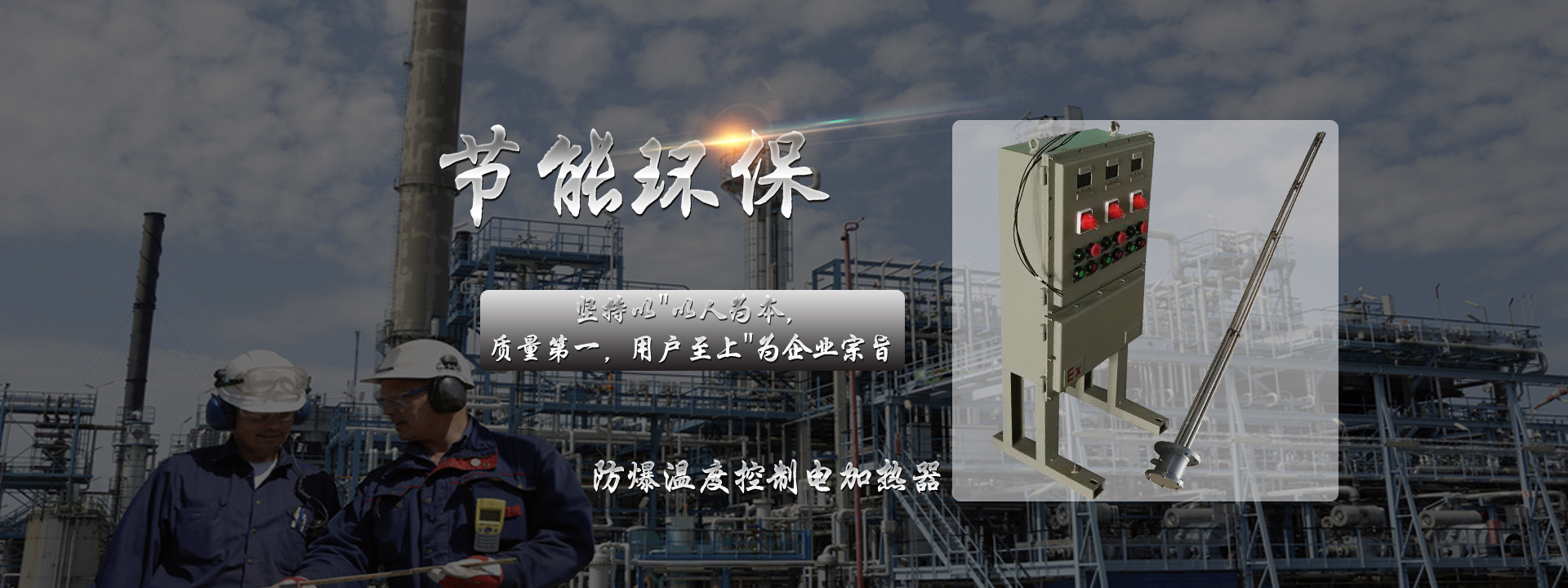
How to Ensure the Safe Use of Heaters
Introduction
Heaters are one of the indispensable devices in industrial production and laboratory work, but improper use may pose safety hazards. This article provides a series of practical suggestions to help you ensure the safe use of heaters.
Safe Use Principles
Understand the Heater
Read the Manual: Carefully read the heater's user manual to familiarize yourself with its functions and limitations.
Technical Specifications: Understand the heater's maximum power, temperature range, applicable media, and other information.
Environment Preparation
Good Ventilation: Ensure there is sufficient ventilation space around the heater to avoid accumulation of harmful gases.
Away from Flammable Materials: Do not place the heater near flammable materials to prevent fire.
Stable Support: The surface where the heater is placed should be stable to avoid tilting or shaking.
Operating Procedures
Wear Protective Gear: Wear necessary personal protective equipment such as gloves and goggles as needed.
Follow Operating Steps: Start and shut down the heater in the correct sequence to avoid misoperation.
Regular Inspection: Regularly inspect the heater's wiring and connection points to ensure no wear or damage.
Emergency Measures
Familiarize with Emergency Procedures: Know the location of the emergency stop button and how to quickly cut off the power.
Fire Extinguishing Equipment: Appropriate fire extinguishing equipment should be nearby, and ensure everyone knows how to use it.
Safety Features
Overheat Protection
Automatic Shutdown: Choose a heater with overheat protection function that can automatically cut off power when the temperature is too high.
Temperature Monitoring: Install a temperature monitoring system to timely monitor the heater's working status.
Sealing and Leak Prevention
Check Seals: Regularly check the heater's seals for integrity to prevent liquid leakage.
Liquid Handling: Ensure liquid containers are well-sealed to avoid overflow or splashing.
Maintenance and Care
Regular Cleaning: Regularly clean the heater's surface and interior to remove dust and residues.
Professional Maintenance: Have regular professional inspections to ensure the heater is in good condition.
Dealing with Common Issues
Dry Heating
Avoid Dry Heating: Ensure there is sufficient liquid in the heater to avoid dry heating that could damage the equipment.
Automatic Water Supply: Consider using a heater with automatic water supply function to prevent dry heating.
Connection Issues
Proper Connection: Ensure all wires and plugs are securely connected to avoid poor contact.
Insulation Check: Regularly check the insulation layer of wires to prevent short circuits.
Unstable Temperature
Temperature Regulation: Use a heater with precise temperature control to ensure stable temperature.
Avoid Interference: Ensure the heater is not affected by external temperature fluctuations.
Conclusion
Ensuring the safe use of heaters is crucial for preventing accidents and protecting operators. By following the above safety principles and precautions, the probability of accidents can be effectively reduced, and work efficiency can be improved. Regular maintenance and inspection, as well as proper handling of common issues, will further enhance the safety and reliability of heaters.
I hope this article helps you understand how to ensure the safe use of heaters and take appropriate preventive measures. If you need more detailed information or other content, please feel free to let me know!