
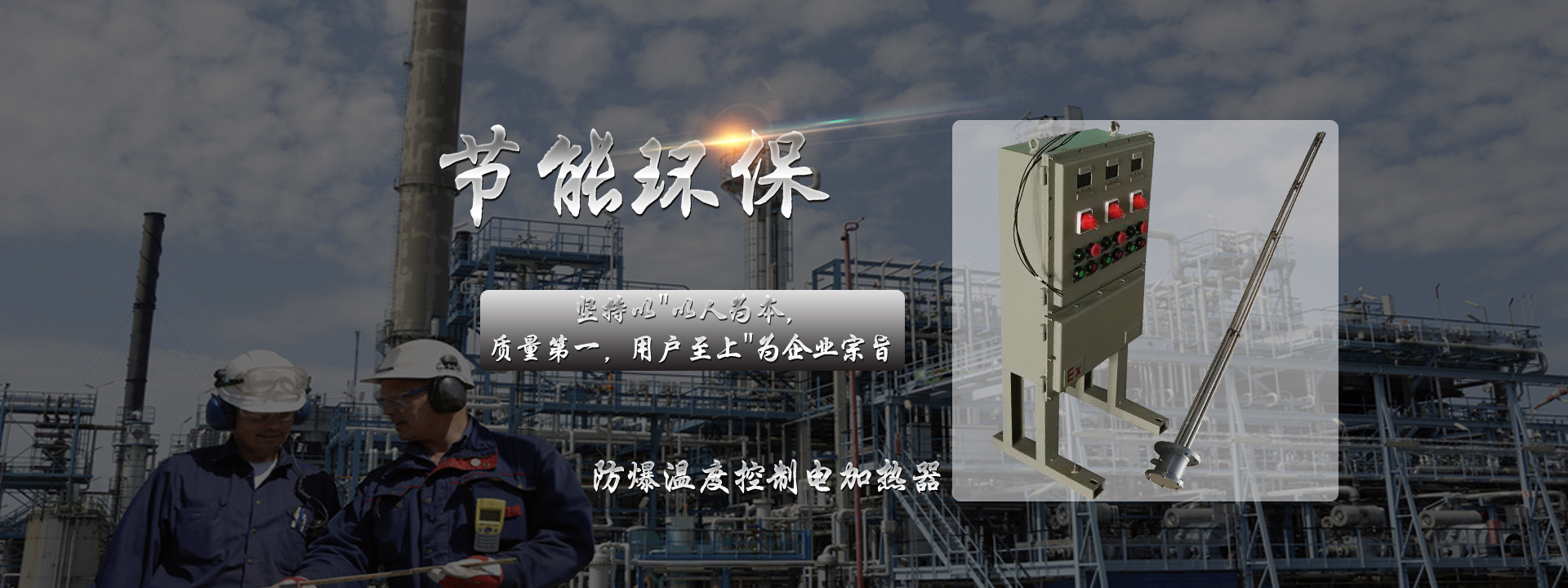
Electric heating tubes are a common form of electric heaters, widely used in industrial, commercial, and household environments. Heating tubes convert electrical energy into thermal energy to heat liquids, gases, or solid substances. This article will detail the working principle, structural features, application areas, and related precautions of electric heater heating tubes.
Working Principle
The working principle of electric heater heating tubes is based on resistance heating. Inside the heating tube, there is a resistance wire or resistance strip. When current passes through these resistance materials, heat is generated. This heat is transferred through the tube wall to the medium being heated, thereby achieving the purpose of heating.
Structural Features
Electric heater heating tubes typically consist of the following components:
Heating element: resistance wire or resistance strip, the core component that generates heat.
Sheath material: usually made of high-temperature resistant materials such as stainless steel, copper, or nickel alloy, serving as the protective shell for the heating element.
Insulation material: filled between the heating element and the sheath material, commonly magnesium oxide powder, used to prevent current leakage and ensure efficient heat transfer.
Connection terminals: parts used to connect to the power supply, including leads, junction boxes, etc.
Types and Forms
Depending on different usage requirements, electric heater heating tubes can have various types and forms:
Straight tube type: the simplest form, suitable for relatively straight applications.
U-shaped tube: bent into a U shape, increasing the heating area, suitable for applications requiring a larger heating area.
Spiral type: increases the heating area through spiral winding, suitable for applications requiring high-density heating.
Bent tube type: can be bent into specific shapes as needed, suitable for space-constrained situations.
Application Areas
Due to their high efficiency and flexibility, electric heater heating tubes are widely used in many fields:
Industrial heating: used for heating needs in industries such as petroleum, chemical, and pharmaceuticals.
Commercial heating: such as hot water boilers, steam generators, etc.
Household appliances: such as water heaters, heaters, and other household heating devices.
Agricultural heating: used for greenhouse heating, seedling boxes, and other agricultural applications.
Usage Precautions
To ensure the safe and efficient operation of electric heater heating tubes, the following points should be noted:
Correct selection: choose the appropriate heating tube type and power according to the nature of the heating medium and heating requirements.
Stable installation: ensure the heating tube is firmly installed to avoid damage caused by vibration.
Regular maintenance: regularly check the insulation performance and connection parts of the heating tube to ensure they are in good condition.
Safe operation: follow operating procedures to avoid dry burning or overheating, preventing safety accidents.
Environmental considerations: pay attention to energy management and emission control during use to reduce environmental impact.
Conclusion
Electric heater heating tubes, due to their high efficiency, flexibility, and reliability, have been widely used in many fields. Through reasonable selection and correct use, heating efficiency can be greatly improved while ensuring the safe operation of the equipment. With the continuous development of technology, the application of new materials and designs will further enhance the performance of heating tubes, enabling them to play a more important role in future heating applications. If you have specific application needs or want to learn more related information, please feel free to ask.