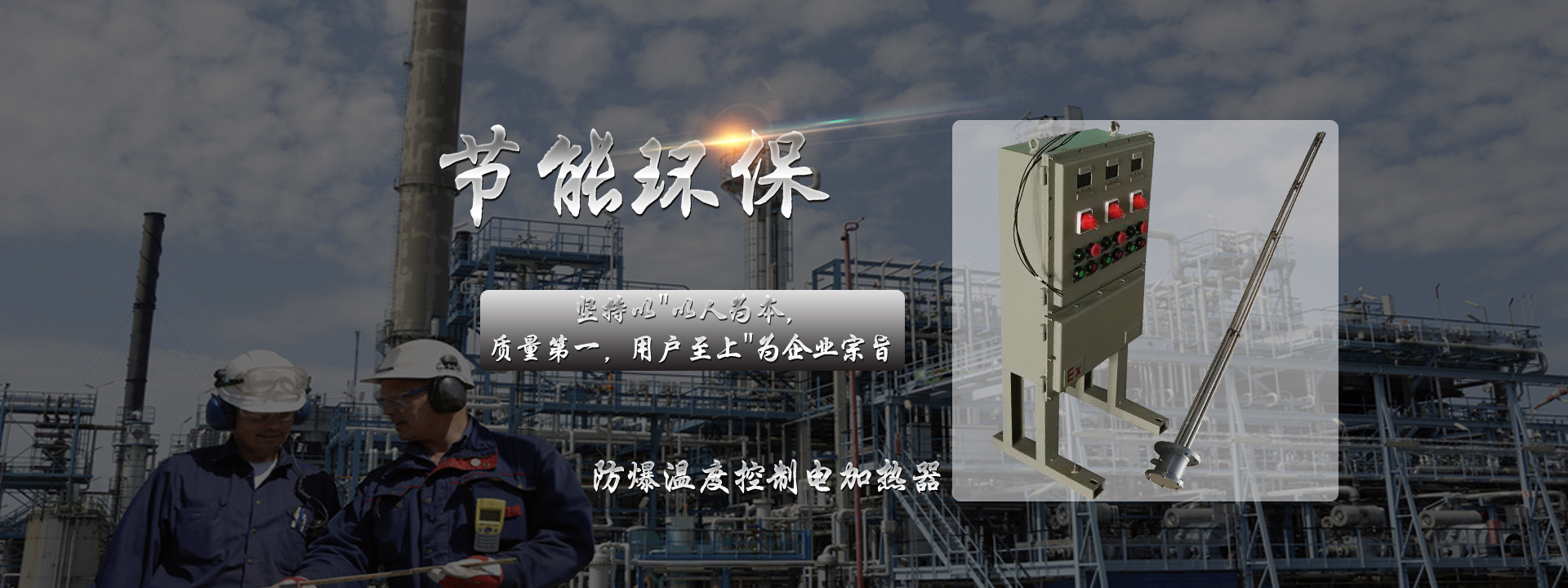
PTFE Heating Tube is a new type of electric heater with strong corrosion resistance, used for heating various corrosive liquids. It has excellent aging resistance and good flexibility, designed with low surface load (1.5W/cm2). The joint adopts fully sealed anti-corrosion acid and alkali, and the non-heating section and overheat safety protection system are customized according to customer requirements. It ensures that the heater is not easy to burn out, has a long service life, is fully sealed, non-corrosive, leak-free, with ground protection, safe and reliable. Applicable temperature below 110°C.
The full English name of polytetrafluoroethylene plastic is Polytetrafluoroethylene, abbreviated as Teflon, PTFE, F4, etc.; Chinese names include "Plastic King", "Teflon", "Teflon", "Teflon", etc. It has unparalleled chemical stability and thermal stability (-250~260°C). The F4 heat exchanger tube sheet and tube bundle (φ3~10mm capillary tubes) are sintered using advanced powder metallurgy technology, with excellent performance.
Our company uses a unique and advanced welding method to achieve a connection strength of 1.5 MPa between the PTFE tube bundle and the tube sheet, solving the problem of micro-leakage in traditional fluoroplastic heat exchanger welding methods that require leak tubes. Through combination, various forms of F4 heat exchange equipment are made, which is an ideal choice for heat transfer in strong corrosive, strong acid, and strong oxidizing media, and is deeply loved by users.
PTFE Heating Tube Features:
Excellent corrosion resistance: F4 is a chemically inert material, except for elemental fluorine at high temperatures, molten alkali metals, chlorine trifluoride, uranium hexafluoride, and perfluorokerosene, it can work in all media. Such as: various strong acids and bases, sulfuric acid, hydrochloric acid, nitric acid, hydrofluoric acid, sodium hypochlorite, naphthalene, benzene, xylene, acetone, aqua regia, chlorine, toluene, various organic solvents, etc.
Good anti-scaling performance: The chemical inertness, smooth surface, flexibility, and high expansion coefficient of F4 tubes make it difficult for the heat transfer surface to scale, ensuring a relatively stable heat transfer coefficient.
·Long service life and low overall cost: PTFE does not contain photosensitive groups, so it has excellent atmospheric aging resistance. In strong corrosive media, its service life is 20 to 30 times that of stainless steel. Coupled with our company's thorough solution to past problems such as easy damage during use, its service life is greatly increased.
·Good heat transfer performance: Due to the small tube diameter, no temperature gradient, and thin-walled tubes, the disadvantage of low thermal conductivity of PTFE material is overcome, making the overall heat transfer coefficient reach 200-350 (W/m2.K).
·Low resistance: Due to the very low friction coefficient, low roughness, and excellent lubrication performance of F4, the resistance of fluid in the tube bundle is smaller than that of metal tubes.