
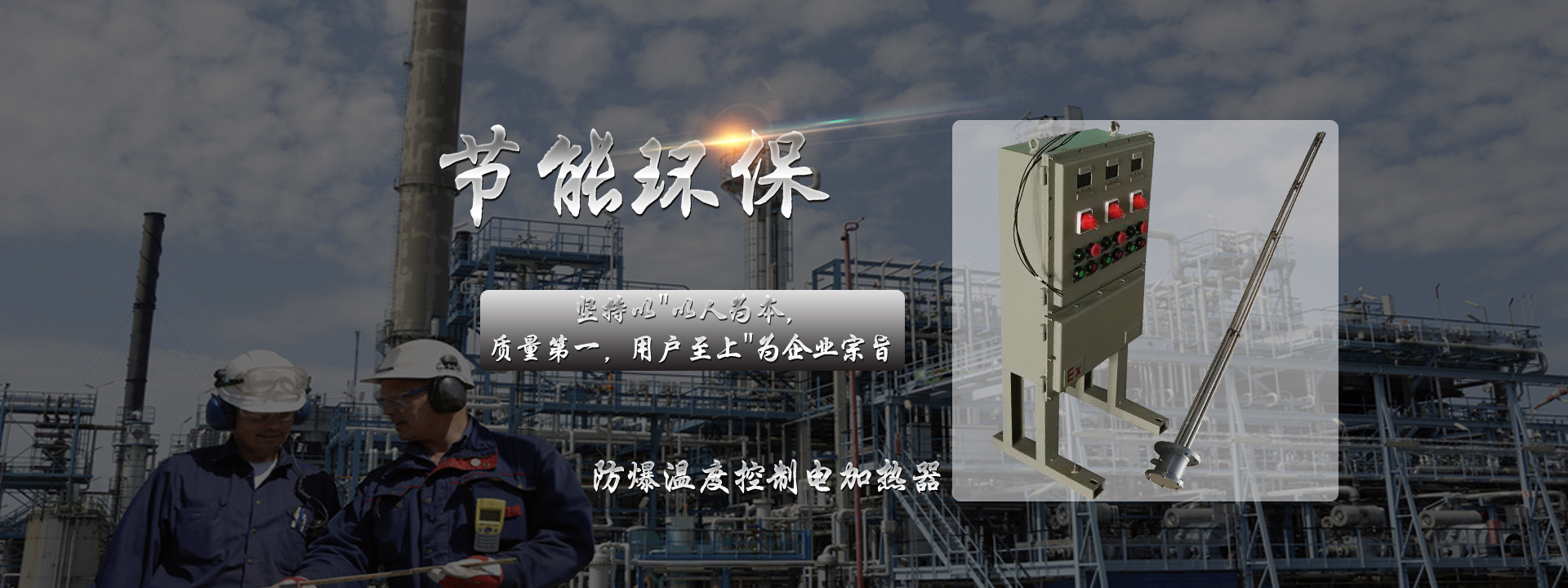
Sheath electric heater is an efficient and flexible heating solution, commonly used in chemical, petroleum, pharmaceutical, food processing and other industries. It converts electrical energy into thermal energy to directly or indirectly heat fluids or solid materials. The sheath design not only provides better mechanical protection but also adapts to different installation environments and working conditions.
Working Principle
The core of the sheath electric heater is the heating element, usually made of high resistivity materials such as nickel-chromium alloy or iron-chromium-aluminum alloy. The heating element is wrapped inside a sturdy metal sheath, which is often made of stainless steel or other corrosion-resistant materials. When current passes through the heating element, a large amount of heat is generated. The metal sheath evenly transfers the heat to the surrounding medium, such as water, oil, or air, thereby achieving the purpose of heating.
Structural Features
Sheath Material: Usually made of corrosion-resistant materials such as 304 or 316 stainless steel to adapt to different working environments.
Heating Element: Different shapes and sizes of resistance wires or strips can be selected to meet specific heating needs.
Insulation Layer: The space between the sheath and the heating element is filled with high-quality insulating materials, such as magnesium oxide powder, to ensure electrical isolation and heat conduction.
Connectors: The sheath electric heater can be fixed to the heating container via threads, flanges, or welding.
Application Scope
Due to its excellent performance, the sheath electric heater is widely used in many fields:
Chemical Industry: Used for heating reactors, storage tanks, pipelines, etc.
Petroleum Industry: Heating crude oil and natural gas to prevent wax deposition and condensation.
Pharmaceutical Industry: Used in sterilization, drying, and other processes.
Food Processing: Heating boiling equipment to ensure food hygiene standards.
Household Appliances: Such as electric water heaters, rice cookers, and other household heating devices.
Development Trends
With the improvement of industrial automation and technological progress, the sheath electric heater is also continuously developing:
Intelligent Control: Integrating advanced temperature sensors and control systems to achieve precise temperature control.
Energy Saving and Environmental Protection: Adopting more efficient heating technologies and materials to reduce energy consumption.
Safety Performance: Strengthening product safety design, adding fault detection and protection mechanisms.
Customized Services: Providing tailor-made solutions according to the special needs of different industries.
Conclusion
With its reliability and flexibility, the sheath electric heater occupies an important position in modern industry. With continuous technological innovation, future sheath electric heaters will be more efficient and intelligent, bringing more convenience and development opportunities to various industries.
I hope this article gives you a clear understanding of the sheath electric heater. If you have any questions or need more detailed information, please feel free to ask.