
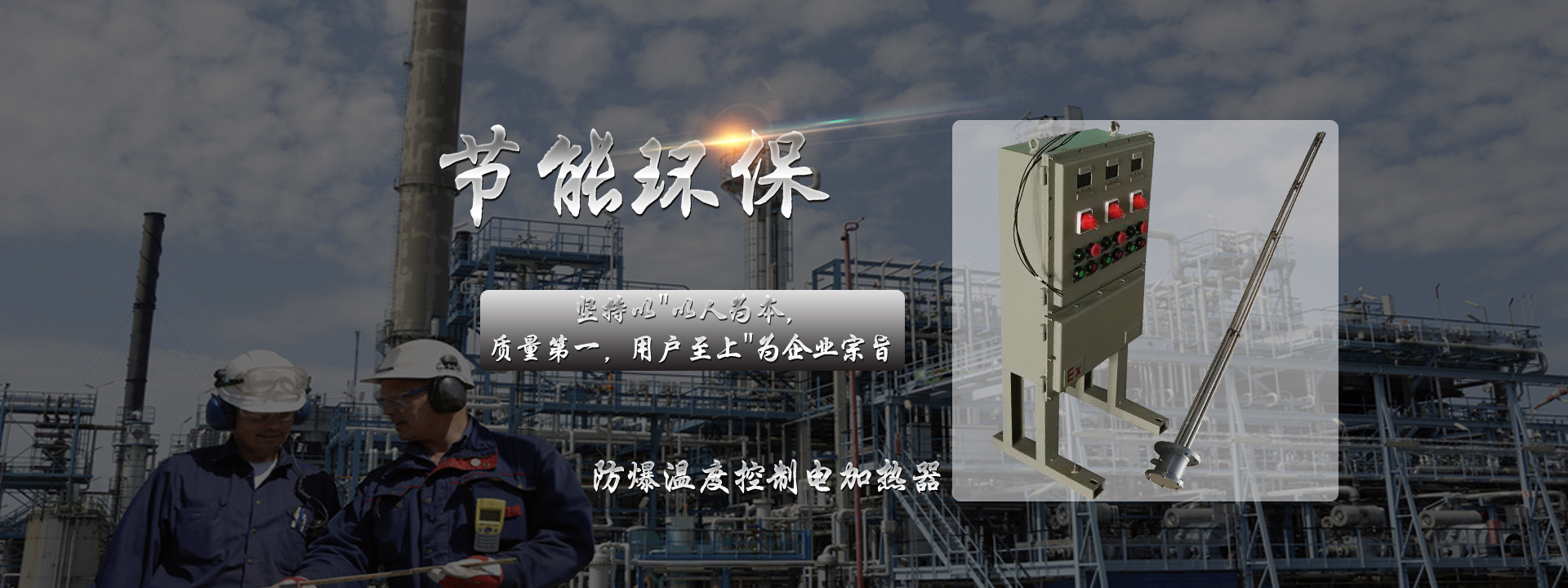
A thermal oil electric heater is a device used to heat thermal oil in industrial production processes. It converts electrical energy into thermal energy, which heats the thermal oil, and then the thermal oil transfers the heat to the material or equipment that needs to be heated. Below is a detailed description of a thermal oil electric heater.
Overview of Thermal Oil Electric Heater
Basic Definition
A thermal oil electric heater is a device that uses electric heating elements to directly heat thermal oil, thereby indirectly heating the target object. It usually consists of heating elements, a thermal oil circulation system, a control system, and other auxiliary components.
Working Principle
When current passes through the heating elements, they generate heat due to resistance. The thermal oil flowing through the heating element area is heated, and then it is circulated by a pump to the equipment or container that needs heating. In this way, the thermal oil acts as a heat transfer medium, while the heating elements remain inside the heater and do not directly contact the target heating object.
Structural Composition
A typical thermal oil electric heater includes the following main parts
Heating elements: Usually tubular electric heaters, but can also be in strip or plate forms.
Thermal oil circulation system: Includes oil pumps, pipes, valves, etc., used to circulate the thermal oil within the system.
Control system: Includes temperature controllers, pressure switches, etc., used to monitor and regulate the operating status of the heating system.
Safety protection devices: Such as overheat protection, leakage protection, etc., to ensure the safe operation of the heater.
Main Features
High efficiency and energy saving: As a good heat carrier, thermal oil can distribute heat evenly, reducing energy waste.
Temperature controllable: Through a precise temperature control system, the heating temperature can be easily adjusted.
Wide application range: Suitable for various industrial occasions, such as plastics, rubber, chemical, food processing, and other industries.
Application Fields
Thermal oil electric heaters are widely used in many industrial fields, especially in situations requiring stable and uniform heating. Common application scenarios include but are not limited to:
Chemical industry: Used for heating in production processes such as synthetic resins, dyes, and coatings.
Food processing: Used for heating in processes such as sterilization and drying.
Plastic machinery: Used for heating in equipment such as injection molding machines and extruders.
Rubber industry: Used for heating required in processes such as vulcanization and molding.
Usage and Maintenance
Proper use and regular maintenance are crucial for ensuring the long-term stable operation of a thermal oil electric heater. When using, attention should be paid to:
Adjust the setting parameters according to the instruction manual to ensure the heater operates in the best condition.
Regularly check the heating elements, pipe connections, and other parts for wear or leakage.
Clean the filter to prevent thermal oil contamination, which affects heat transfer efficiency.
Development Trends
With the increase in industrial automation and technological progress, thermal oil electric heaters are developing towards intelligence, energy saving, and environmental protection. For example, by integrating advanced sensing technology and intelligent control systems, remote monitoring and management can be achieved; using high-efficiency and energy-saving heating elements to reduce energy consumption; and developing new types of thermal oil to improve heat transfer efficiency and service life.
In summary, as an important industrial heating equipment, the thermal oil electric heater plays a significant role in many industries due to its high efficiency, controllability, and wide applicability. With continuous technological advancement, it will play an even more important role in the field of industrial heating in the future.