
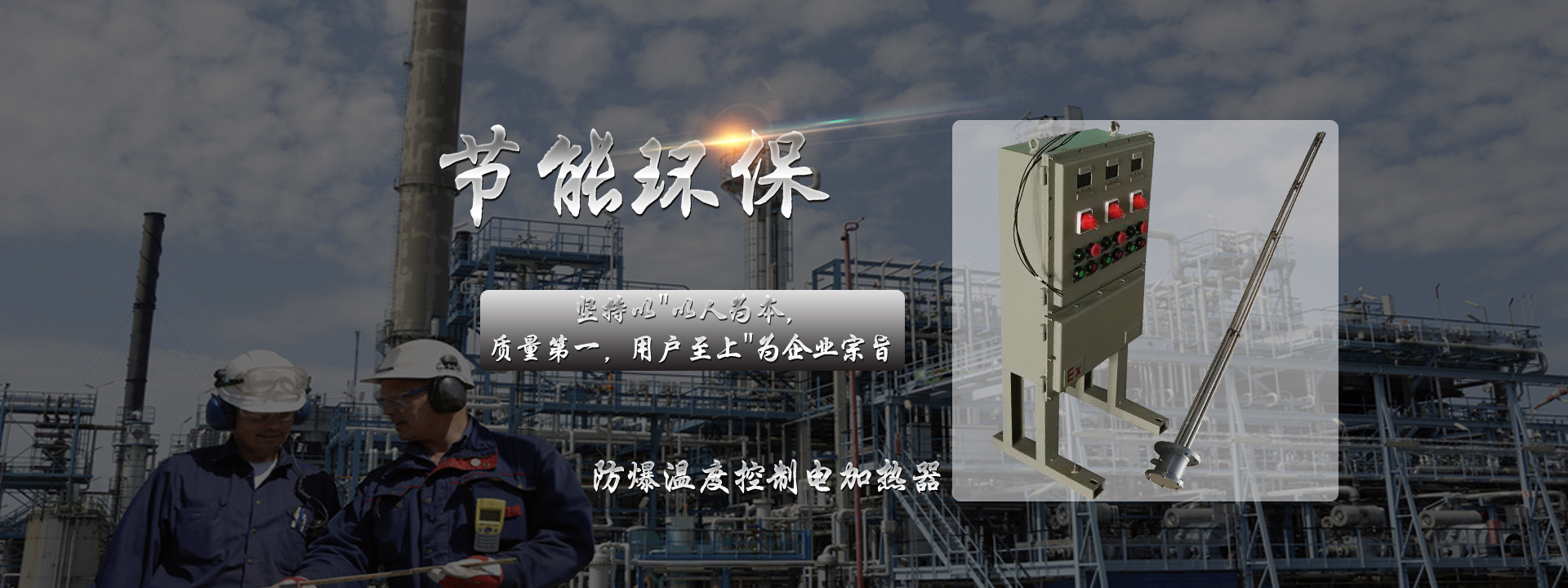
Heating Tube Product Features
Stainless steel electric heating tube uses a metal tube as the shell, with spiral electric heating alloy wires (nickel-chromium, iron-chromium alloy) evenly distributed along the axial center of the tube. The gaps are filled and compacted with magnesium oxide sand that has good insulation and thermal conductivity. Both ends of the tube are sealed with silicone or ceramic. Stainless steel electric heating tube is an electrical component specifically designed to convert electrical energy into heat. Due to its low cost, easy use, convenient installation, and no pollution, it is widely used in various heating applications. The service life of stainless steel electric heating tubes is very long, generally designed to last over 10,000 hours.
1. Voltage can be designed as: 12-660V
2. Single power: 50W-20KW
3. Materials: 10# iron, T4 copper, 1Cr18Ni9Ti stainless steel, Ti titanium, etc.
4. Specifications: U-shaped, W-shaped, special-shaped, finned heating tubes, explosion-proof heating tubes
Heating Tube Material Requirements
1. Among the factors affecting the quality of stainless steel electric heating tubes, the quality of materials accounts for a very important reason. 2. Reasonable selection of raw materials for electric heating tubes is the prerequisite for ensuring the quality of electric heating tubes.
3. Selection principle of tube materials: temperature resistance, corrosion resistance.
4. Selection of resistance wire: Cr20Ni80
5. Selection of magnesium oxide powder: industrial grade magnesium oxide powder
6. Selection of sealing material: silicone oil + 704 sealant
Heating Tube Applications
1. Small size, high power: This electric heater mainly uses bundled tubular heating elements internally, with each bundled tubular heating element having a maximum power of 5000KW.
2. Fast thermal response, high temperature control accuracy, high overall thermal efficiency.
3. Wide application range, strong adaptability: This circulating heater can be used in explosion-proof or ordinary occasions, with explosion-proof grades up to B and C, and pressure resistance up to 10Mpa. The cylinder can be installed vertically or horizontally according to user needs.