
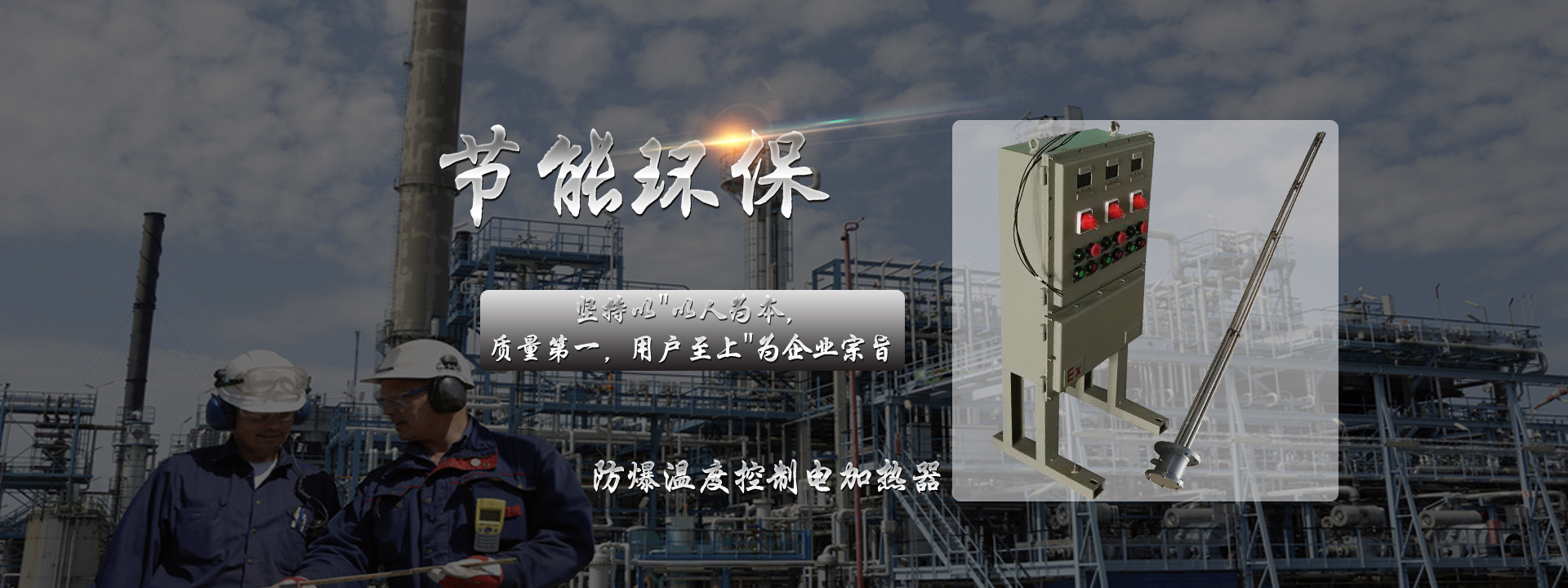
Introduction
The sheath-type electric heater is used for heating hydraulic oil and lubricating oil in hydraulic and lubrication devices, and can also be used for heating non-corrosive gases or liquids. The heating core uses high-temperature resistant alloy electric heating wire as the heat source, high-temperature resistant ceramic as the insulating medium, and the sheath is made of cold-drawn seamless steel pipe or stainless steel.
Detailed Introduction
I. HRY2 Sheath-type Electric Heater Application
HRY type sheath-type electric heater is used for heating hydraulic oil and lubricating oil in hydraulic and lubrication devices, and can also be used for heating non-corrosive gases or liquids.
Keywords: Sheath-type tubular electric heater HRY1, Sheath-type tubular electric heater, HRY2 Sheath-type tubular electric heater
II. Features of HRY Sheath-type Electric Heater
The electric heater consists of a heating core and a sheath. The heating core uses high-temperature resistant alloy electric heating wire as the heat source, high-temperature resistant ceramic as the insulating medium, and the sheath is made of cold-drawn seamless steel pipe or stainless steel.
The electric heater is connected to the oil tank body by flange. The sheath isolates the heating core from the heated oil. When replacing the electric heater, there is no need to drain the oil from the tank; simply remove the heating core and replace it with a new one, making maintenance convenient.
The electric heater has a large contact area with the heated oil, low surface power density, no carbon deposition, and the oil will not carbonize due to local high temperature. It has a long service life, is safe and reliable.
III. Main Technical Parameters of Sheath-type Tubular Electric Heater HRY1
Rated Voltage Single-phase 220V, Three-phase 380V
Surface Power Density ≤3W/CM2
Operating Temperature ≤300℃
Working Medium Mineral Oil
Working Pressure ≤0.8Mpa
HRY2 Sheath-type Electric Heater Technical Parameters
|
|
HRY1 |
HRY2 |
HRY3 |
|||||||||
|
Voltage V |
Surface Power Density w/cm2 |
Dimensions mm |
Voltage V |
Surface Power Density w/cm2 |
Dimensions mm |
Voltage V |
Surface Power Density w/cm2 |
Dimensions mm |
||||
|
L |
L1 |
L |
L1 |
L |
L1 |
|||||||
|
1KW |
|
|
|
|
220 |
1.4 |
440 |
360 |
380 |
1.4 |
440 |
360 |
|
2KW |
380 |
1.0 |
1200 |
1120 |
220 |
2.0 |
590 |
510 |
380 |
2.0 |
590 |
510 |
|
3KW |
|
|
|
|
220 |
2.1 |
790 |
710 |
380 |
2.1 |
790 |
710 |
|
4KW |
380 |
1.8 |
1200 |
1120 |
220 |
2.1 |
790 |
710 |
380 |
2.1 |
790 |
710 |