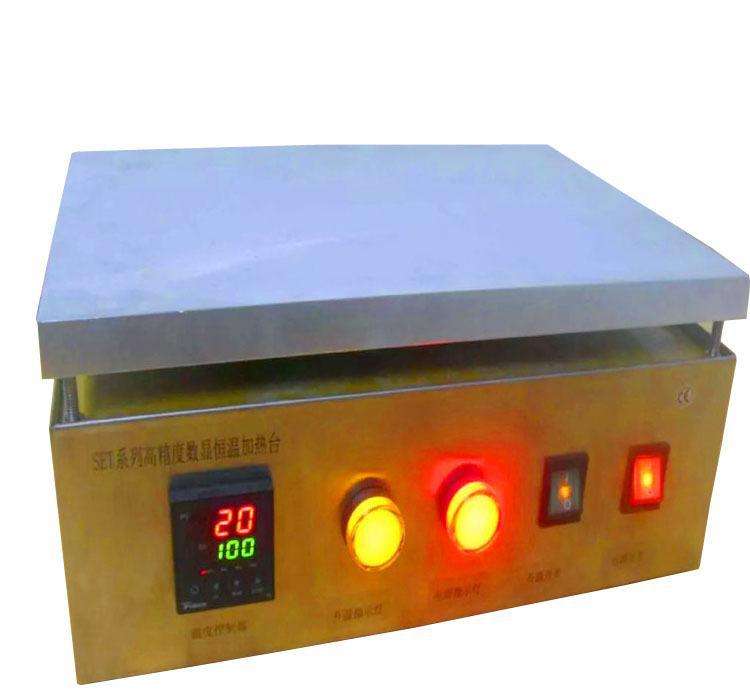
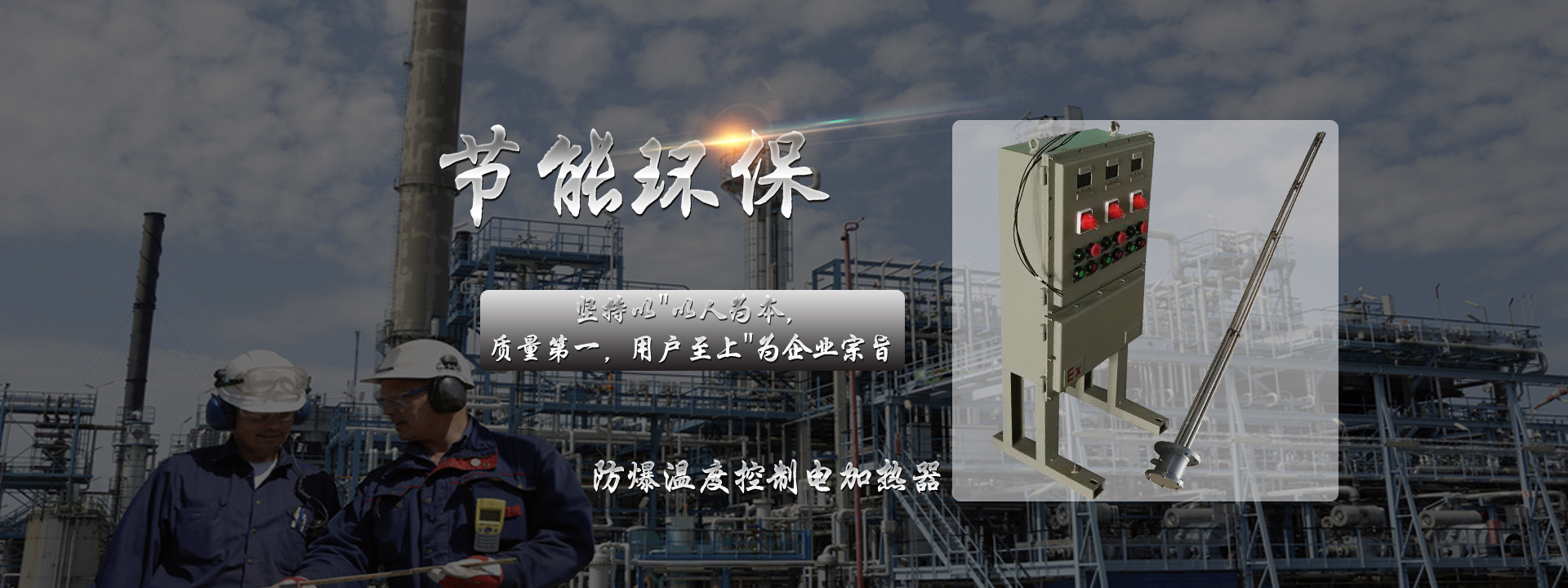
How does a thermostat control an electric heating plate
1. When using this type of electric heating element, it must be noted that its continuous operating temperature should be less than 240°C, and instantaneous temperature should not exceed 300°C.
2. Guowei silicone electric heating elements can work under pressure, i.e., using an auxiliary pressure plate to make them closely adhere to the heated surface. In this case, heat conduction is good, and when the temperature in the working area does not exceed 240°C, the power density can reach 3W/cm².
3. Under adhesive installation conditions, the allowable working temperature is less than 150°C.
4. In the case of dry burning in air, due to material temperature limitations, the power density should be less than 1W/cm²; under non-continuous conditions, the power density can reach 1.4W/cm².
5. The working voltage should be selected based on the principle of high power with high voltage and low power with low voltage; special needs may be exceptions.
6. A power supply that meets the instrument requirements must be used. Thepower socket should be a three-hole safety socket with a ground wire installed.
7. Slight smoke may be produced during initial use, which is normal.
8. During use, prevent the heating medium from overflowing the container and entering the box to damage the electrical components.
9. If a malfunction occurs during use, cut off the power supply before performing repairs.
10. Do not operate without liquid (dry burning).
A thermostat, based on temperature changes in the working environment, undergoes physical deformation inside the switch, producing certain special effects that cause a series of automatic control elements to turn on or off. It is also called atemperature control switch,temperature protector,temperature controller, or simply a thermostat. Alternatively, thetemperature protector transmits the temperature to thetemperature controller, which issues switching commands to control the operation of the equipment, achieving the desired temperature and energy-saving effects. Its application range is very wide, and different types of thermostats are used in many products such as home appliances, motors, refrigeration, or heating.