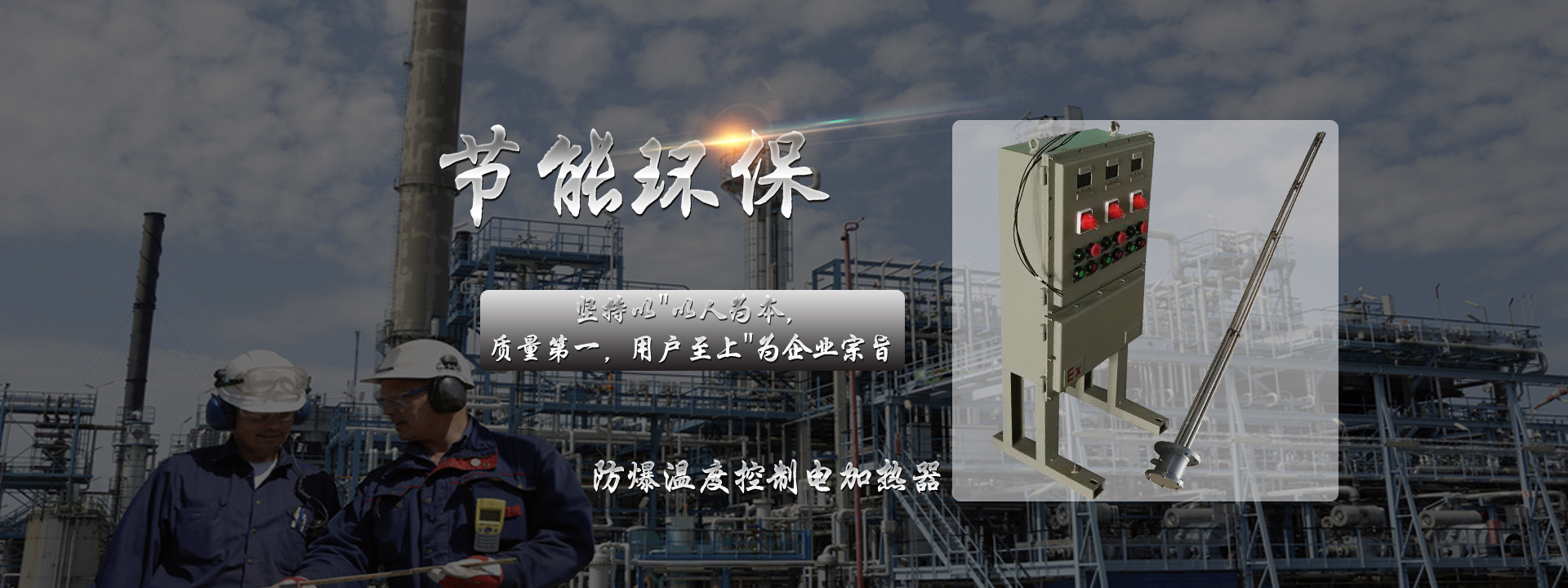

Design and customization prerequisites: Flat flange electric heating tubes are generally used in liquid heating environments. Customers need to inform us of the specific main components of the liquid to be heated and the ideal installation method before customization, so that we can set the cold zone of the flat flange electric heating tube. Additionally, we need to know the pressure level of the specific working environment to select the appropriate tube diameter, wall thickness, and flange thickness for you.
1. Voltage, power
2. Tube diameter, typically: 8mm, 10mm, 12mm, 16mm, 20mm
3. Flat flange: National standard GB/T 9119-2010 plate flat welded steel pipe flange, common sizes include: DN65-DN80-DN100-DN125-DN150-DN200-DN250, etc. Different flange standard dimensions are selected based on different pressure ratings. Of course, during the design and production process, to reduce costs without affecting the lifespan, the flange thickness may be changed. Please consult sales personnel for details.
4. Typically composed of 1, 2, 3, 6, 9, 12 (usually multiples of 3) U-shaped tubes welded to the flange via TIG argon arc welding.
5. Tube shell material selection: Main materials include 10# carbon steel, SUS304, SUS321, SUS316L, SUS310S (commonly known as 2520), titanium tubes, etc.
6. Tube shell jacket selection: The outer surface of the metal tube material can be coated with anti-corrosion or anti-fouling coatings, effectively enhancing corrosion resistance and anti-fouling performance.
7. Tube shell jacket process: Liquid spraying and electrostatic powder spraying are available. Electrostatic powder-coated heating tubes directly solve many problems of Teflon-sleeved heating tubes and can completely replace them with better results.
8. Flange material: 10# carbon steel, SUS304, SUS321, SUS316L
9. Junction box: Standard fiberglass reinforced plastic cover or explosion-proof cover available.
10. Heating wire material selection: Typically iron-chromium-aluminum wire (Beijing Shougang) or nickel-chromium wire (commonly H140, 2080 resistance wire, etc.). The choice between the two depends on the customer's working environment (temperature and vibration).
[Design Recommendations for Flat Flange Electric Heating Tubes]
|
|
|
|
|